Remembering Geeta Mukherjee: The First Architect of Women's Reservation Bill
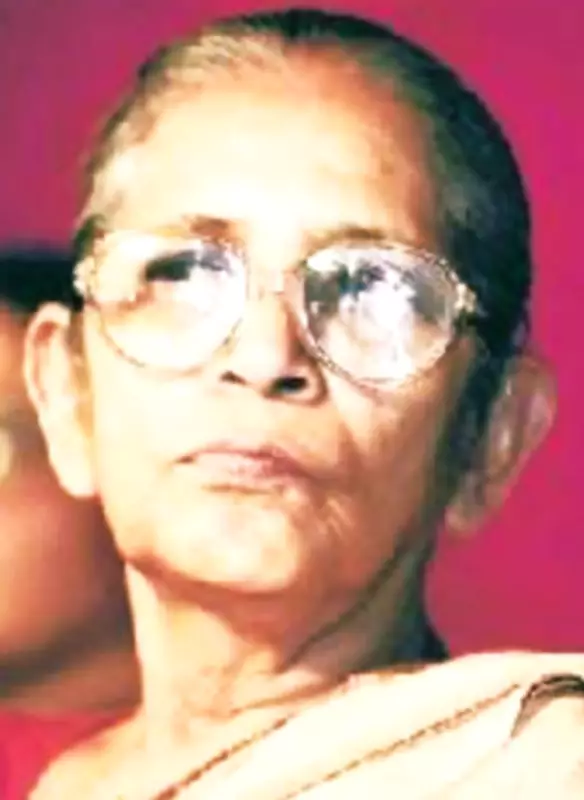
In the annals of Indian political history, few figures have left as indelible a mark on the quest for gender equality as Geeta Mukherjee. As the first architect of the Women's Reservation Bill, her legacy continues to inspire movements for women's representation in governance. This article delves into her pioneering role, the challenges she faced, and the enduring impact of her work on India's democratic landscape.
Early Life and Political Journey
Geeta Mukherjee was born into a family with a strong commitment to social justice, which shaped her early activism. She joined the Communist Party of India (Marxist) and quickly rose through the ranks, becoming a prominent voice for women's rights. Her political career was marked by a relentless pursuit of equality, driven by her belief that true democracy requires the active participation of all genders.
Throughout her tenure as a Member of Parliament, Mukherjee advocated for policies that addressed gender disparities in education, healthcare, and employment. Her work laid the groundwork for broader discussions on women's empowerment, setting the stage for her most significant contribution: the Women's Reservation Bill.

The Women's Reservation Bill: A Vision for Equality
The Women's Reservation Bill, first proposed in the 1990s, aimed to reserve one-third of seats in the Lok Sabha and state legislative assemblies for women. Geeta Mukherjee was instrumental in drafting and championing this legislation, recognizing it as a crucial step toward dismantling patriarchal structures in Indian politics.
Her advocacy was rooted in data and grassroots experiences, highlighting the underrepresentation of women in decision-making bodies. Mukherjee argued that without reserved seats, women would continue to face systemic barriers, such as lack of party support and societal prejudices. She tirelessly lobbied across party lines, building coalitions to push the bill forward.
Despite facing stiff opposition from various quarters, including within her own party, Mukherjee's perseverance kept the issue alive in public discourse. Her efforts ensured that the Women's Reservation Bill remained a key agenda item in parliamentary debates for decades.
Challenges and Opposition
The path to passing the Women's Reservation Bill was fraught with challenges. Critics argued that reservation based on gender could undermine meritocracy and lead to tokenism. Some political factions feared a loss of power, while others questioned the feasibility of implementing such a radical change.
Geeta Mukherjee addressed these concerns head-on, emphasizing that reservation was a temporary measure to correct historical injustices. She pointed to successful examples of gender quotas in local governance, such as the Panchayati Raj system, which had empowered women at the grassroots level. Her pragmatic approach helped build a broader consensus, though the bill faced repeated delays and revisions.
Legacy and Impact
Although Geeta Mukherjee passed away before the Women's Reservation Bill could be enacted, her legacy lives on. The bill has seen renewed interest in recent years, with ongoing debates and proposals for its implementation. Mukherjee's work has inspired a new generation of women leaders who continue to fight for equal representation.
Her contributions extend beyond legislation; she fostered a culture of inclusivity in Indian politics, encouraging more women to enter public life. Today, her name is synonymous with the struggle for gender justice, serving as a reminder of the power of persistent advocacy.
Conclusion
Geeta Mukherjee's role as the first architect of the Women's Reservation Bill underscores her visionary leadership and unwavering commitment to equality. As India grapples with issues of representation and diversity, her legacy offers valuable lessons in courage and determination. Remembering her contributions is not just an act of homage but a call to action for future generations to build on her foundation.