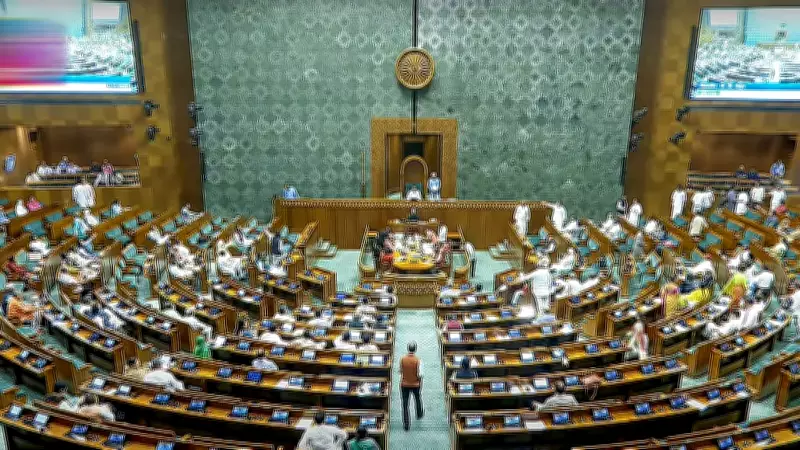
FCRA Amendment Bill Scheduled for Lok Sabha Clearance Amid Opposition Protest
The Foreign Contribution Regulation Act (FCRA) amendment bill is poised for clearance in the Lok Sabha, sparking significant opposition protests. This legislative move comes as the government aims to tighten regulations on foreign funding for non-governmental organizations and other entities operating in India.
Key Provisions of the Amendment Bill
The proposed bill introduces a critical provision that allows authorities to take over any asset created using foreign funds if an entity permitted to collect such donations has its license cancelled, ceased, or suspended. This measure is designed to prevent misuse of foreign contributions and ensure accountability in the utilization of international funds.
Under the current framework, entities receiving foreign donations must register under the FCRA and adhere to strict compliance norms. The amendment seeks to enhance these regulations by imposing stricter penalties and oversight mechanisms.

Opposition Response and Political Implications
Opposition parties have voiced strong objections to the bill, arguing that it could be used to target organizations critical of government policies. Protests have erupted in Parliament, with critics claiming the amendment may infringe on civil liberties and stifle dissent.
Supporters of the bill, however, contend that it is necessary to safeguard national interests and prevent foreign interference in domestic affairs. They emphasize that the provision for asset seizure is a deterrent against non-compliance and fraudulent activities.
Impact on NGOs and Foreign Funding
The amendment could have far-reaching consequences for non-governmental organizations, charities, and other groups reliant on foreign donations. Entities found in violation of FCRA norms may face severe repercussions, including the loss of assets acquired through foreign funds.
This move aligns with the government's broader efforts to monitor and regulate foreign contributions, ensuring transparency and adherence to legal standards. Stakeholders in the sector are advised to review their compliance strategies in light of these proposed changes.
Next Steps and Legislative Process
The bill is scheduled for discussion and voting in the Lok Sabha, where it is expected to face rigorous debate. If passed, it will proceed to the Rajya Sabha for further scrutiny before becoming law.
As the legislative process unfolds, all eyes are on Parliament to see how this contentious amendment will shape the future of foreign funding regulations in India. The outcome could set a precedent for how similar issues are handled in the years to come.