Election Spending Gap: A Critical Analysis of Campaign Finance Disparities
The landscape of Indian elections is increasingly dominated by a stark and growing financial divide, raising critical questions about the integrity of democratic processes. As political campaigns become more expensive, the gap in spending between major parties and smaller contenders has widened significantly, threatening the foundational principle of a level playing field. This editorial delves into the implications of this disparity, exploring how it undermines electoral fairness and what steps might be necessary to address it.
The Rising Cost of Elections
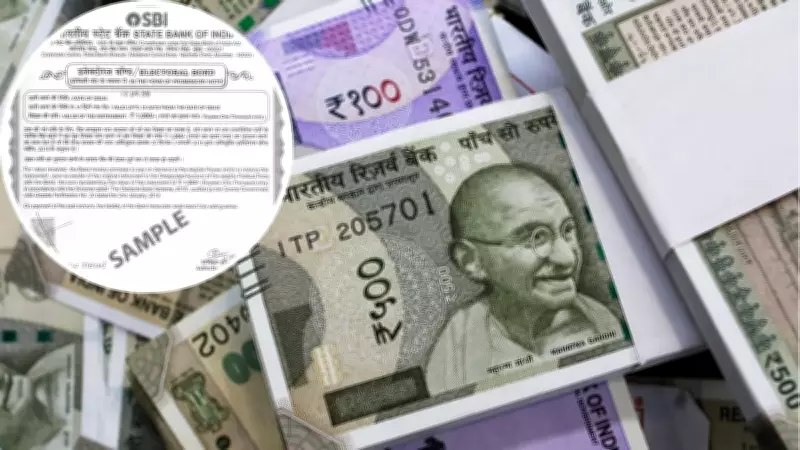
In recent years, the cost of contesting elections in India has skyrocketed, driven by factors such as extensive media advertising, large-scale rallies, and sophisticated digital outreach. Major political parties, often backed by substantial corporate donations and wealthy supporters, can afford to spend lavishly on their campaigns. In contrast, smaller parties and independent candidates struggle to match these resources, leading to a pronounced imbalance in visibility and influence. This financial chasm not only affects the outcome of elections but also shapes the political discourse, as well-funded campaigns can dominate public narratives.
Impact on Democratic Fairness
The widening spending gap poses a direct threat to democratic fairness. When financial muscle determines electoral success, it marginalizes voices that lack deep pockets, thereby reducing the diversity of perspectives in governance. This can lead to a political system where power is concentrated among a few wealthy entities, undermining the representation of ordinary citizens. Moreover, the reliance on large donations can create conflicts of interest, as parties may feel obligated to favor their benefactors over public welfare. Such dynamics erode trust in democratic institutions and fuel public cynicism about the political process.

Need for Reforms
To bridge this gap, comprehensive reforms in campaign finance are urgently needed. Potential measures include stricter caps on election spending, enhanced transparency in political funding, and public financing for candidates to reduce dependency on private donations. Additionally, leveraging technology to monitor expenditures in real-time could help enforce existing regulations more effectively. By implementing these changes, India can move towards a more equitable electoral system where ideas and policies, rather than financial clout, drive political competition.
Conclusion
The election spending gap is not merely a financial issue but a fundamental challenge to democracy. As India continues to evolve as a vibrant democratic nation, addressing this disparity is crucial to ensuring that every voice has a fair chance to be heard. Policymakers, civil society, and citizens must collaborate to foster a political environment where integrity and inclusivity prevail over monetary influence.