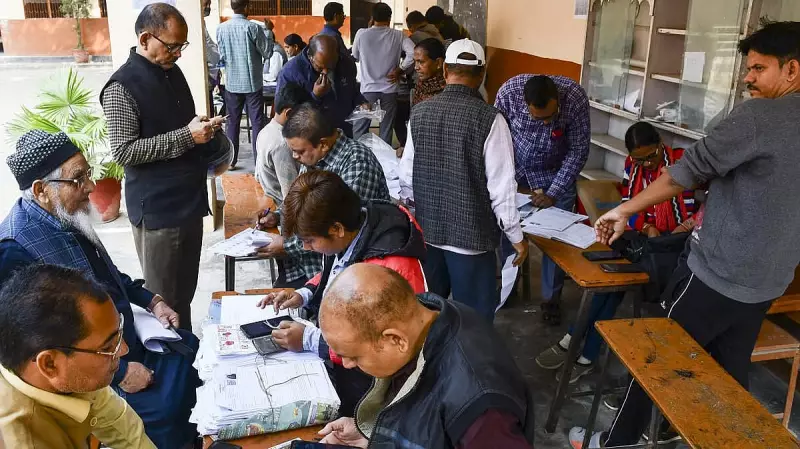
The Election Commission of India (ECI) is facing growing scrutiny for its stance on the Summary Inquiry Report (SIR) process. Despite numerous reports of public distress and hardship linked to the SIR, the commission maintains that the complaints are largely politically motivated. This position, articulated as recently as 04 December 2025, has sparked a debate on whether the genuine human cost of administrative actions is being sidelined.
Mounting Distress Meets Official Denial
Across various regions, citizens have come forward with accounts of difficulties stemming from the SIR framework. These reports paint a picture of procedural hurdles and personal strain experienced by ordinary people. However, the ECI's official response has been to characterize this wave of grievances as an orchestrated campaign. By attributing the complaints to political agendas, the commission risks undermining legitimate public feedback and eroding trust in the electoral oversight mechanism.
The Core of the Controversy
The central conflict lies in the perceived gap between on-ground realities and institutional acknowledgment. Critics argue that dismissing widespread complaints as politically motivated is a convenient way to avoid addressing systemic flaws or unintended consequences of the SIR. This approach, they warn, overlooks the tangible suffering of individuals who may lack political affiliations but are directly impacted by the commission's procedures. The insistence on this narrative, despite mounting contrary evidence, raises questions about accountability and responsiveness.

Why the Human Element Cannot Be Ignored
Beyond the political back-and-forth, there is a fundamental principle at stake: the duty of care owed by institutions to citizens. When processes like the SIR lead to significant public distress, the primary response should be assessment and remedy, not deflection. Failing to investigate the root causes of complaints—regardless of their source—can have several consequences:
- Erosion of public faith in democratic institutions.
- Normalization of administrative actions that cause undue hardship.
- A chilling effect, discouraging people from reporting genuine issues for fear of being labeled political tools.
The human cost of any policy or process must be a paramount consideration. As the debate continues, the need for an independent and empathetic review of the SIR's impact becomes increasingly clear. The credibility of the ECI, a pillar of Indian democracy, hinges on its ability to distinguish between political noise and genuine citizen anguish, and to act accordingly.