

DMK Confirms Alliance Negotiations with Congress Ahead of Crucial State Elections
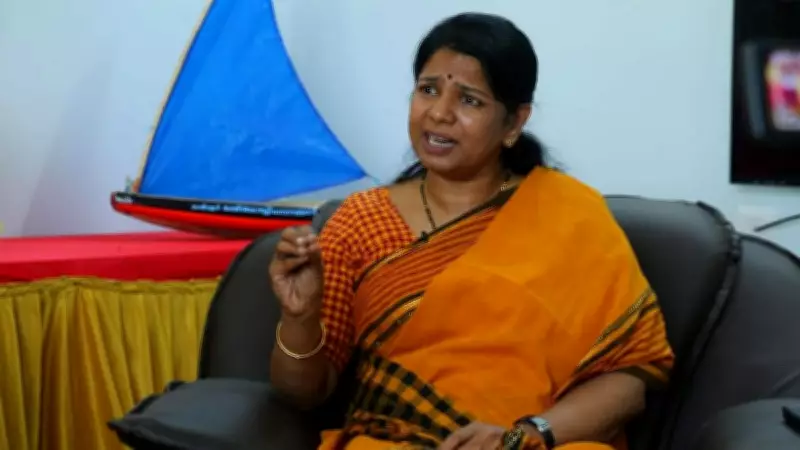
In a significant political development, DMK MP Kanimozhi Karunanidhi has publicly acknowledged that her party is actively engaged in alliance talks with the Indian National Congress. This revelation comes at a pivotal moment as both parties strategize for the upcoming state elections, which are expected to be fiercely contested across various regions.
Kanimozhi Denounces Suspension of Opposition MPs as Unacceptable
Simultaneously, Kanimozhi expressed strong disapproval regarding the recent suspension of eight opposition Members of Parliament from the Lok Sabha. She labeled this parliamentary action as "unacceptable" and voiced her criticism during the ongoing Budget Session. The suspension has sparked widespread debate and raised concerns about parliamentary decorum and democratic processes.
The DMK leader emphasized that such measures undermine the spirit of healthy debate and accountability in the nation's legislative body. Her comments reflect growing tensions between the ruling coalition and opposition parties over procedural matters and political strategy.

Strategic Implications for Tamil Nadu and National Politics
The alliance discussions between DMK and Congress carry substantial weight, particularly in the context of Tamil Nadu's political landscape. Both parties have historically collaborated in various electoral battles, and renewed talks suggest a concerted effort to consolidate opposition forces against competing political fronts.
Political analysts observe that this potential alliance could reshape electoral equations in the state, influencing voter sentiment and campaign dynamics. The timing of these negotiations, amid parliamentary controversies, adds layers of complexity to the pre-election environment.
As the Budget Session progresses, the intersection of parliamentary proceedings and electoral preparations highlights the intricate relationship between governance and politics in contemporary India. Stakeholders across the spectrum are closely monitoring these developments for their broader implications on policy-making and electoral outcomes.






