

Indian Navy maintains continuous presence in Gulf of Oman after Hormuz reopening
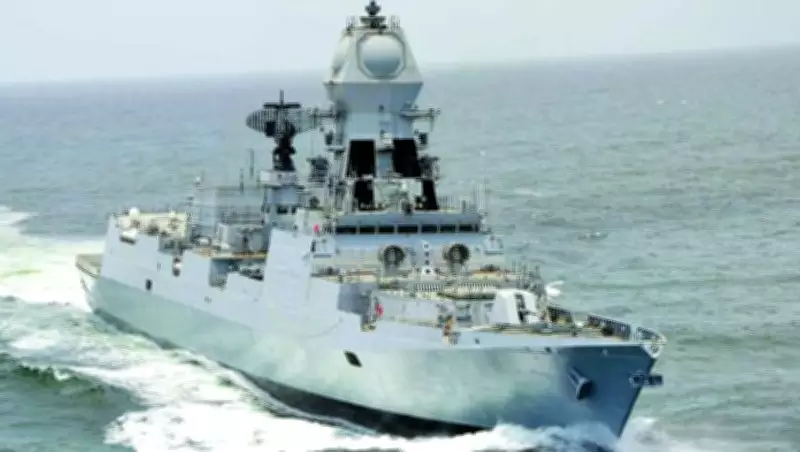
Despite the reopening of the Strait of Hormuz for crude oil and trade transit, the Indian Navy has decided to maintain its continuous presence in the Gulf of Oman. The deployment, known as Operation Sankalp, has been active since June 2019 and involves warships, helicopters, and marine commandos stationed in the region.
Operation Sankalp: A critical blue-water deployment
Sources confirmed that the Indian Navy will continue deploying assets, including warships, in the Gulf of Oman. If necessary, Indian-destined merchant vessels will be escorted to ensure their safe passage. The Navy has been escorting merchant ships in the area even before the US-Iran conflict escalated.
Since 2019, at least one warship with an embarked helicopter and marine commandos has been permanently stationed in the Gulf of Oman. The Navy has refueling and restocking options at Omani ports of Duqm and Salalah, or it can send a fleet tanker for mid-sea transfers of fuel and rations.

Operation Sankalp is one of India's critical blue-water naval deployments, protecting sea lines of communication that carry over 60% of the country's oil imports via the Strait of Hormuz.
Escorting LPG and crude oil ships during US-Iran conflict
During the US-Iran conflict, the Indian Navy ramped up its deployment for escorting LPG and crude oil ships as they exited the Strait of Hormuz, a 33 km-wide water body between Iran and Oman. Two task forces were set up, and the number of warships on Hormuz duty increased. This independent operation was conducted without India joining any multi-country coalition, such as the one proposed by former US President Donald Trump.
Indian Navy warships stationed in the Gulf of Oman have been escorting Indian LPG cargoes. In addition to this deployment, the Navy has also maintained an anti-piracy patrol in the Gulf of Aden since 2008.






