

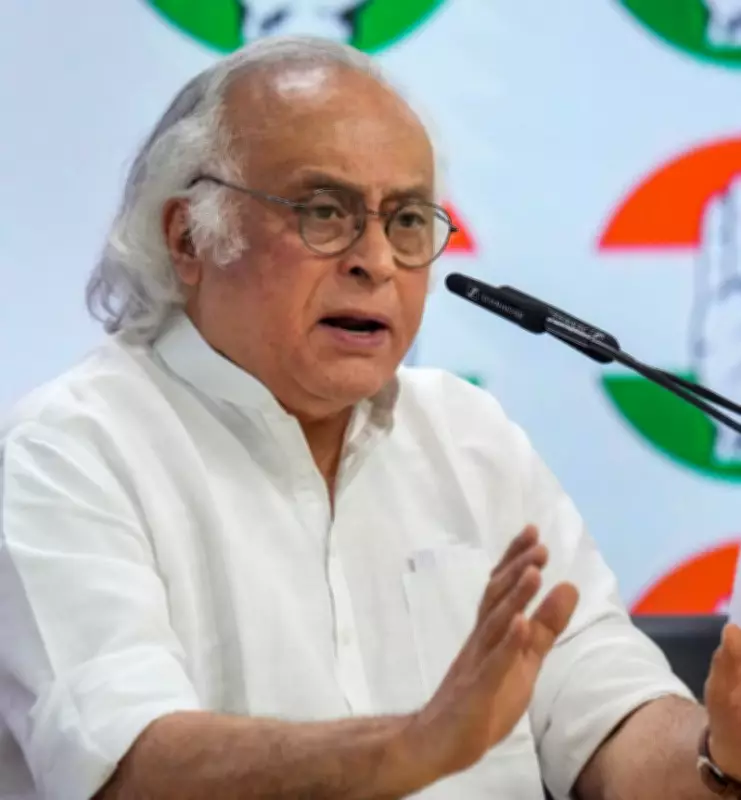
Congress Leader Jairam Ramesh Questions US-India Joint Statement, Highlights Alleged Imbalances
Senior Congress leader and Member of Parliament Jairam Ramesh has raised serious concerns regarding the outcomes of the recent United States-India Joint Statement. In a pointed critique, Ramesh alleged that the terms revealed so far indicate a clear tilt in favor of Washington, potentially having adverse implications for India's energy policy, agricultural sector, and overall trade balance.
Energy Security and Russian Oil Imports Under Scrutiny
Ramesh emphasized that the joint statement suggests India will cease importing oil from Russia, a move with far-reaching consequences for the nation's energy security. He highlighted that the United States has separately announced the possibility of reimposing a 25 percent penalty if India purchases Russian oil, either directly or indirectly. According to Ramesh, this development effectively constrains India's independent decision-making capabilities in energy procurement, raising questions about sovereignty in critical policy areas.
Agricultural Sector Faces Pressure from Import Duties
The Congress leader also flagged significant impacts on agriculture, noting that India is set to slash import duties to facilitate greater access for American farm produce. Ramesh argued that such a move would primarily benefit US farmers while placing additional pressure on Indian farmers, who are already grappling with rising input costs and uncertain returns. This shift could exacerbate challenges in the domestic agricultural landscape, affecting livelihoods and food security.

Trade Imbalance and Export Uncertainties
On the trade front, Ramesh claimed that India's annual imports from the United States are expected to triple, a development he described as erasing India's longstanding goods trade surplus with Washington. He characterized this as a significant imbalance that could weaken India's position in bilateral trade relations. Furthermore, Ramesh pointed out ongoing uncertainty over India's exports of IT and other services to the US, despite repeated expectations of relief for Indian professionals and companies. He also warned that India's goods exports to the US might face higher duties than before, potentially making Indian products less competitive in the American market.
Political Remarks and Broader Implications
In a sharp political remark, Ramesh stated, "All the hugs and photo-ops have not amounted to much," suggesting that the US has gained more from the engagement than India. He concluded with the line, "dost dost na raha," implying a shift in the friendship dynamics. Ramesh's critique underscores broader concerns about the strategic and economic outcomes of the US-India partnership, as detailed in his social media post where he outlined key points from the joint statement.
The Congress leader's allegations highlight a need for greater transparency and clarity in international agreements, particularly those affecting critical sectors like energy, agriculture, and trade. As discussions continue, the implications of this joint statement will likely remain a focal point in political and economic debates within India.






