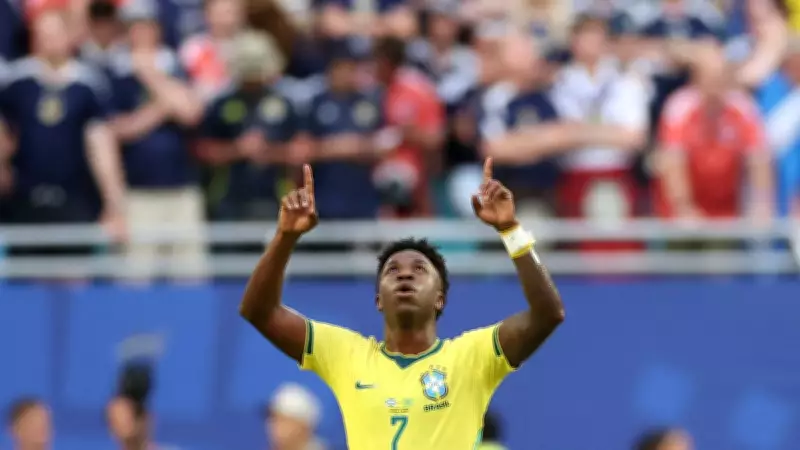
FIFA has announced that all final group stage matches of the 2026 World Cup will be played simultaneously to maintain competitive integrity and prevent any potential collusion between teams. This decision aligns with long-standing FIFA policy for tournament group stages.
Why Simultaneous Kickoffs Are Mandatory
The practice of scheduling simultaneous kickoffs for the last round of group matches is designed to eliminate the possibility of teams playing for a mutually beneficial result. According to FIFA regulations, when two matches in the same group are played at the same time, it reduces the risk of teams manipulating outcomes based on other results. This rule has been in place for decades and is a standard feature of World Cup tournaments.
For the 2026 edition, which will feature 48 teams expanded from 32, the group stage will consist of 16 groups of three teams each. Each team will play two group matches, and the top two from each group advance to the knockout stage. The final round of group games will see all matches in a group kick off simultaneously to ensure no team gains an unfair advantage from knowing other results.

How the 2026 Format Works
The 2026 World Cup, hosted by the United States, Canada, and Mexico, will be the first to feature 48 teams. The group stage will consist of 16 groups of three teams, with each team playing two matches. The top two from each group (32 teams) will advance to a new round of 32 knockout matches. This format reduces the total number of group games from 48 (in the 32-team format) to 48, but with fewer matches per team.
FIFA has confirmed that the final group matches will be scheduled simultaneously within each group. For example, if Group A's final matches are on the same day, they will kick off at the same local time. This ensures that no team can calculate a result based on another match's outcome.
Historical Precedent and Fair Play
Simultaneous kickoffs have been a hallmark of World Cup group stages since the 1986 tournament. The practice was introduced after incidents in earlier tournaments where teams appeared to play for a draw or manipulate results. According to FIFA officials, the policy is essential for preserving the sport's integrity. A FIFA spokesperson stated, "Playing final group matches simultaneously is a fundamental principle of fair competition. It prevents any possibility of collusion and ensures that every team competes with full effort."
The 2026 tournament will see 80 matches in total, with the group stage comprising 48 matches over 16 days. The knockout stage will begin with a round of 32, followed by the round of 16, quarterfinals, semifinals, and the final. The simultaneous kickoff policy applies only to the final group matches; earlier group games may be staggered.
Impact on Teams and Fans
For teams, simultaneous kickoffs mean they must focus solely on their own performance without being influenced by other results. This can lead to more intense and unpredictable matches. For fans, it means multiple matches happening at once, which can be challenging to follow but increases the drama. Broadcasters will need to allocate resources to cover multiple games simultaneously.
The decision has been welcomed by football associations and players. Many have emphasized the importance of fairness in the sport. The policy is expected to remain in place for future tournaments as well, including the 2030 World Cup, which will be hosted by Morocco, Portugal, and Spain.