Congress Party Condemns Rijiju's Historical Comparison to Nehru Era
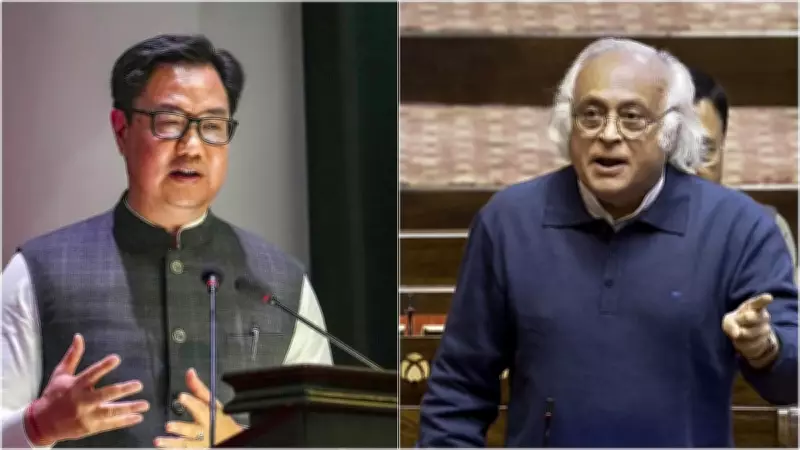
The Congress party has launched a sharp rebuke against Union Minister Kiren Rijiju for drawing parallels between the parliamentary conduct of India's first Prime Minister Jawaharlal Nehru in 1954 and the current treatment of the opposition. The controversy erupted after Rijiju referenced a historical instance to critique the opposition's behavior in Parliament, prompting a vigorous defense from Congress leaders who emphasized Nehru's commitment to democratic norms.
Nehru's Parliamentary Conduct in 1954: A Case Study in Democratic Respect
According to Congress sources, during a parliamentary debate in 1954, Prime Minister Nehru demonstrated exemplary respect for the opposition and legislative processes. He reportedly sat through the entire debate, attentively listening to arguments from all sides, and notably requested additional time for opposition members to express their views. This action, Congress argues, underscores Nehru's dedication to fostering a robust and inclusive parliamentary democracy where dissent was valued and accommodated.
The Congress party contends that this historical example starkly contrasts with the current political climate, where they allege the opposition faces frequent disruptions, limited speaking opportunities, and a lack of engagement from the ruling dispensation. By invoking Nehru's legacy, Congress aims to highlight what they perceive as a decline in parliamentary decorum and the erosion of traditions that prioritize debate and consensus-building.

Rijiju's Remarks and the Political Backlash
Union Minister Kiren Rijiju, in his comments, attempted to use the 1954 episode to critique the opposition's approach today, suggesting a need for reflection on their part. However, Congress leaders swiftly countered, accusing Rijiju of misrepresenting history and using it as a tool to deflect from contemporary issues of parliamentary dysfunction.
"Nehru's actions were a testament to his belief in democratic principles, where he ensured the opposition had a voice," a senior Congress spokesperson stated. "Comparing that to the present situation, where opposition members are often sidelined, is not only inaccurate but also disrespectful to Nehru's legacy."
The party has called for a return to the values exemplified by Nehru, urging the government to prioritize:
- Ensuring adequate time for opposition debates in Parliament.
- Fostering a culture of respectful dialogue across political divides.
- Upholding the traditions of parliamentary democracy that encourage diverse viewpoints.
Broader Implications for Indian Democracy
This exchange underscores ongoing tensions in Indian politics regarding the functioning of Parliament and the role of the opposition. The Congress party's defense of Nehru's actions serves as a broader critique of what they describe as an increasingly centralized and dismissive approach to governance, which they argue threatens the foundational pillars of Indian democracy.
As debates over parliamentary norms continue, this incident highlights the enduring relevance of historical precedents in shaping contemporary political discourse. The Congress party's stance reinforces their commitment to advocating for a more inclusive and deliberative political environment, drawing on India's rich democratic heritage to challenge current practices.