Congress President Mallikarjun Kharge Slams Modi Government Over India-US Trade Agreement
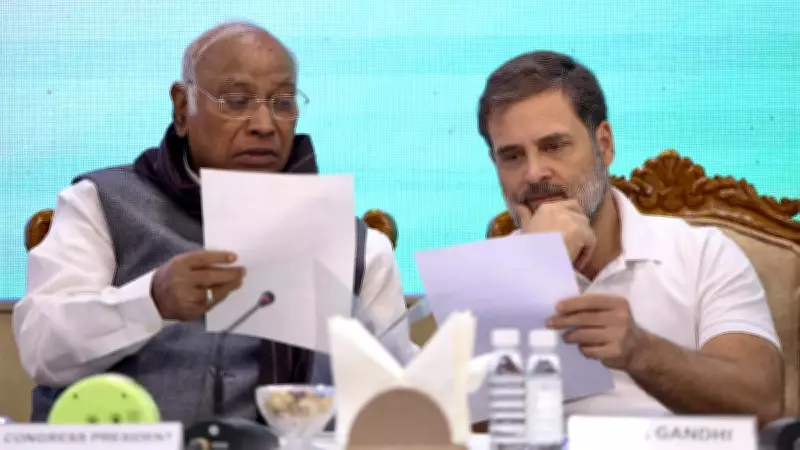
In a scathing critique of the current administration's foreign economic policy, Congress President Mallikarjun Kharge has launched a fierce attack on the government's handling of the recent India-US trade agreement. Kharge has openly questioned the timing and strategic wisdom behind the deal, suggesting that India may have been maneuvered into a disadvantageous position.
Allegations of a 'Trap Deal' and Rushed Negotiations
Kharge's central accusation revolves around the perceived haste with which the agreement was finalized. He has pointedly asked why the government did not exercise patience and await a pending judgment from the United States Supreme Court before committing to the terms. "Why did the government not wait for the US Supreme Court judgement before rushing to fall into a trap deal, which extracted huge concessions from India?" Kharge stated, framing the agreement as a potential strategic misstep.
The use of the phrase "trap deal" implies a belief that the negotiations were structured in a way that disproportionately benefited the United States at India's expense. This criticism taps into broader concerns about sovereignty and economic independence in international trade pacts.

Context and Political Ramifications
This criticism from the principal opposition party comes at a time when trade and tariff policies are under intense public and parliamentary scrutiny. The Congress party, by highlighting the issue, is positioning itself as a vigilant watchdog of national economic interests. The allegation of "huge concessions" suggests specific, unfavorable terms in areas such as market access, intellectual property rights, or agricultural tariffs, though Kharge's statement did not delve into granular details.
The political dimension is significant. By framing the deal as rushed and potentially detrimental, the Congress aims to challenge the government's narrative of diplomatic and economic success. This is likely to fuel debates in Parliament and could influence public perception of the administration's competence in managing complex international economic relations.
Broader Implications for India's Trade Policy
This incident underscores the delicate balance India must strike in its trade diplomacy. While seeking stronger ties and market access with major economies like the United States, there is an ongoing domestic political imperative to secure deals perceived as fair and equitable. The Congress's intervention signals that any future trade agreements will face rigorous opposition scrutiny, with timing, transparency, and the balance of concessions being key battlegrounds.
The government has yet to issue a formal, detailed rebuttal to these specific allegations. How it responds will be crucial in shaping the ongoing political discourse around this significant bilateral trade agreement and India's broader economic engagement with the world.