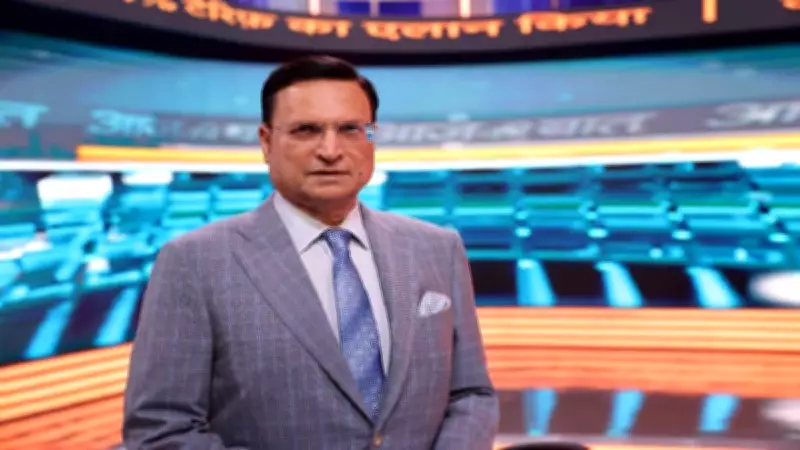
Congress 'Shirtless' Protest Insults India's Dignity, Not Modi: Rajat Sharma
In a scathing critique on his popular show 'Aaj Ki Baat', veteran journalist Rajat Sharma has condemned the recent protest by Congress MPs in Parliament, where they removed their shirts in a dramatic display of dissent. Sharma argued that this act was not merely a political statement against Prime Minister Narendra Modi but a profound insult to the dignity and decorum of India itself.
Parliamentary Decorum Breached
The protest occurred during a heated session, with Congress members resorting to what many are calling an unprecedented and undignified tactic. Sharma emphasized that Parliament is the temple of democracy, a sacred institution where debates should be conducted with respect and civility. By stripping down to their undershirts, the MPs crossed a line that undermines the very essence of parliamentary proceedings.
Sharma stated, "This is not about targeting Modi; it's about disrespecting the nation. Such behavior tarnishes India's image on the global stage and sets a dangerous precedent for political discourse."Political Fallout and Public Reaction
The incident has sparked widespread outrage across the political spectrum and among the public. Critics from various parties have joined Sharma in denouncing the protest as shameful and unbecoming of elected representatives. Supporters of the Congress, however, defend it as a necessary act of desperation to highlight pressing issues, though this view is contested by many who see it as a publicity stunt gone too far.

- The protest has drawn comparisons to past parliamentary disruptions, but experts note that removing clothing is a new low in Indian politics.
- Social media platforms are abuzz with debates, with hashtags like #ShamelessProtest trending and users expressing disappointment in the conduct of lawmakers.
- Legal experts are weighing in on whether such actions violate parliamentary rules, with some calling for stricter enforcement of conduct codes.
Broader Implications for Indian Democracy
Rajat Sharma's commentary extends beyond the immediate event, warning of long-term consequences for India's democratic fabric. He pointed out that when elected officials engage in such theatrics, it erodes public trust in political institutions and diverts attention from substantive issues like governance, economy, and social welfare.
"This protest reflects a deeper malaise in our political culture," Sharma remarked. "Instead of focusing on policy debates, we are witnessing a race to the bottom in terms of decorum."Observers note that this incident could fuel calls for parliamentary reforms, including harsher penalties for misconduct. It also raises questions about the role of media in holding politicians accountable, with Sharma's show serving as a platform for critical analysis.
Conclusion: A Call for Restoring Dignity
In closing, Rajat Sharma urged all political parties to prioritize respectful dialogue over sensational protests. He emphasized that India's strength lies in its democratic traditions, and preserving the sanctity of institutions like Parliament is crucial for national progress. The 'shirtless' protest, in his view, is a wake-up call for a return to civility in politics.
As the fallout continues, this episode is likely to influence future parliamentary sessions and public perceptions of political accountability in India.