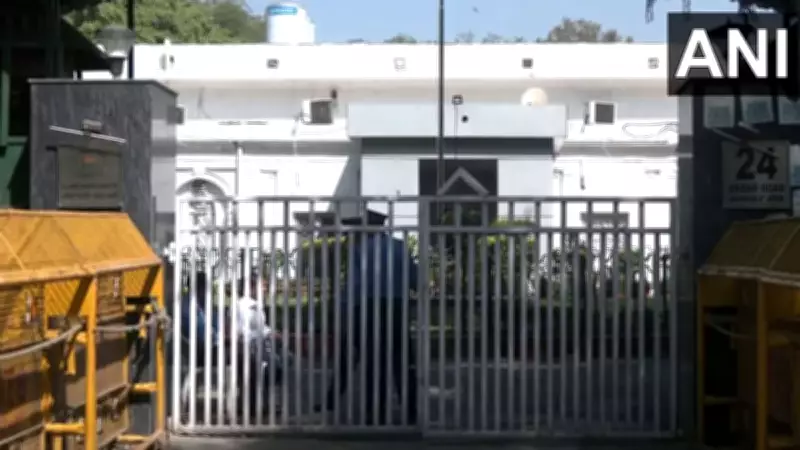
Congress Confronts Final Eviction Notices for Prime Delhi Offices
The Indian National Congress party is facing a significant legal and administrative challenge after receiving final eviction notices for its prominent offices located on Akbar Road and Raisina Road in the national capital, Delhi. This development marks a critical escalation in the ongoing property dispute between the political party and government authorities, potentially impacting the party's operational base in the city.
Details of the Eviction Notices
The notices, issued by the relevant government departments, formally demand the Congress party to vacate the premises at these two key locations. The Akbar Road office, situated in the heart of Lutyens' Delhi, has long served as a central hub for the party's activities, including meetings and press briefings. Similarly, the Raisina Road office holds strategic importance due to its proximity to government buildings and political institutions.
According to sources, the eviction notices cite legal grounds related to property ownership and usage rights, alleging that the Congress has been occupying these spaces without proper authorization or in violation of lease terms. The party has been given a specified timeframe to comply with the orders, failing which further legal action, including potential forcible eviction, may be initiated by the authorities.

Political and Operational Implications
This move has sparked intense political reactions, with Congress leaders condemning the notices as a politically motivated attempt to undermine the opposition party's functioning. They argue that the offices have been used for decades and are integral to the party's organizational structure in Delhi. The eviction could disrupt daily operations, affect coordination with party workers, and impede logistical support for political campaigns.
From an administrative perspective, the Congress may need to explore alternative arrangements, such as relocating to other properties or challenging the notices in court. Legal experts suggest that the party could file appeals or seek stays on the eviction orders, potentially prolonging the dispute. The situation also raises broader questions about property management and political party accommodations in government-controlled areas.
Background and Context
The property dispute is not new and has been simmering for some time, with previous notices and warnings issued to the Congress. Government records indicate that these offices are on land owned by public entities, and there have been allegations of unauthorized occupation or non-payment of dues. The final notices represent a decisive step in enforcing compliance, reflecting heightened scrutiny on property usage by political organizations.
In response, Congress officials have stated their intention to contest the eviction legally, emphasizing the historical significance and necessity of these offices for democratic engagement. They plan to mobilize support and highlight the issue as part of a larger narrative about opposition rights and freedoms in India's political landscape.
The outcome of this case could set a precedent for similar disputes involving other political parties and their properties across the country, making it a closely watched development in Indian politics.