Congress Leaders Launch Scathing Attack on Modi Government Over Sovereignty Concerns
In a series of coordinated social media posts on March 6, 2026, senior Congress leaders have launched a fierce criticism of the Narendra Modi-led government, alleging severe threats to India's strategic autonomy and national sovereignty. The leaders claim that the government is facing blackmail over sensitive matters, leading to compromised decision-making in foreign policy.
Allegations of Blackmail and Compromise
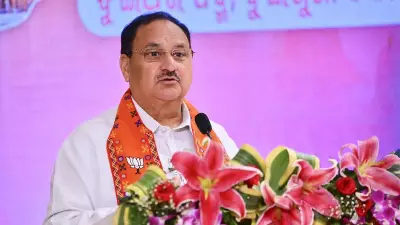
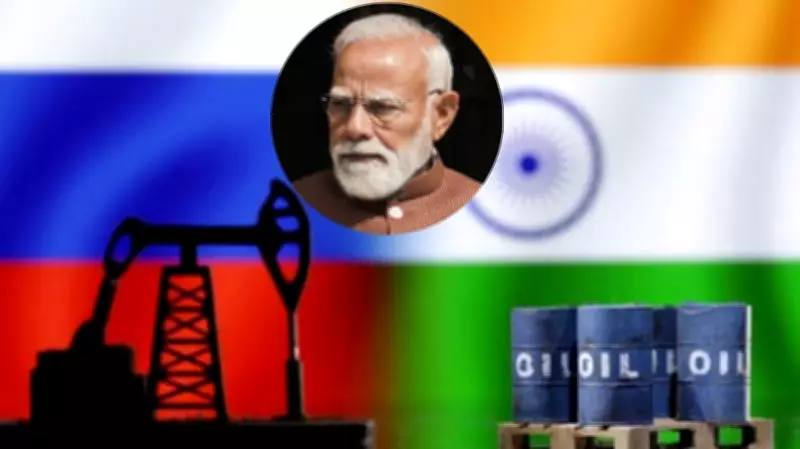
Congress President Mallikarjun Kharge initiated the attack with a post on platform X, stating that India's strategic autonomy and national sovereignty is under dire threat because Prime Minister Modi is allegedly being blackmailed regarding the Epstein Files and the Adani Case. Kharge specifically pointed to a recent US proclamation that grants India permission to buy Russian oil under a 30-day waiver as clear evidence of this compromised position.
Kharge's statement suggests that the Modi government's foreign policy decisions are being influenced by external pressures rather than independent national interests. The reference to the Epstein Files and Adani Case implies that sensitive information or investigations are being used as leverage against the Indian leadership.

Rahul Gandhi's Philosophical Critique
Former Congress President Rahul Gandhi followed with his own post, emphasizing that India's foreign policy should emerge from the collective will of our people and be rooted in the country's history, geography, and spiritual ethos based on Satya (truth) and Ahimsa (non-violence). Gandhi asserted that what India is witnessing today is not genuine policy but rather the result of exploitation of a compromised position.
Gandhi's comments reflect a broader philosophical criticism of the current government's approach to international relations, suggesting a departure from India's traditional values and independent foreign policy tradition that has characterized the nation since independence.
Jairam Ramesh's Direct Accusation
Senior Congress leader Jairam Ramesh added to the criticism with a post in Hindi that translates to Trump's new game, telling Delhi friend, you can take oil from Putin, how long will this American blackmail last. Ramesh's message directly accuses the United States of engaging in blackmail tactics against India, specifically regarding energy purchases from Russia.
The reference to Trump suggests the former US president's potential involvement or influence in these alleged pressure tactics, though the context of the 2026 timeline indicates this may refer to a renewed or continuing political dynamic rather than Trump's previous administration.
The Context of US Oil Waiver
The central point of contention appears to be the US decision to grant India a 30-day waiver to purchase Russian oil. The Congress leaders interpret this not as diplomatic accommodation but as evidence that:
- India's foreign policy autonomy has been compromised
- The government is operating under external pressure and blackmail
- National sovereignty is being traded for temporary concessions
- The traditional principles of Indian foreign policy have been abandoned
Political Implications and Timing
The coordinated nature of these attacks from three senior Congress leaders on the same day suggests a strategic political move to challenge the government's foreign policy credentials. The allegations touch on several sensitive areas:
- National security and sovereignty concerns
- Foreign policy independence
- Alleged vulnerability to external pressure
- Energy security and international relations
The reference to the Epstein Files and Adani Case adds layers of complexity, suggesting that the Congress believes these matters have created vulnerabilities that foreign powers are exploiting to influence Indian policy decisions.
As of now, the government has not officially responded to these specific allegations from the Congress leadership. The development comes at a time when India's position in global geopolitics remains crucial, particularly regarding energy security and strategic partnerships in a multipolar world order.