Centre Demands Bengal Officials' Central Deputation Over Alleged Protocol Breach
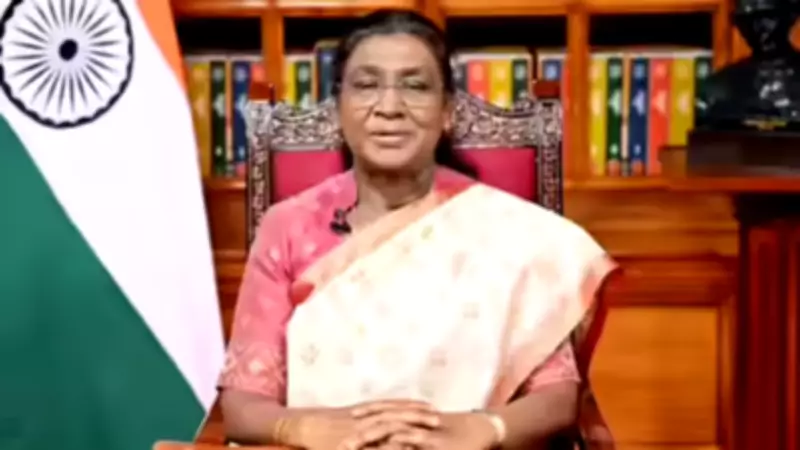
The Central government has issued a directive to the West Bengal administration, demanding the immediate central deputation of two senior officials to Delhi. This action follows an alleged breach of protocol during President Droupadi Murmu's recent visit to the region.
Officials Named in Central Directive
In a formal communication, the Centre has specifically requested the West Bengal government to send Darjeeling District Magistrate Manish Mishra and Siliguri Police Commissioner C Sudhakar on central deputation. The deadline for this transfer has been set for Monday, indicating the urgency with which the Central authorities are treating this matter.
The directive was conveyed through a letter addressed to West Bengal Chief Secretary Nandini Chakravorty. This official correspondence underscores the seriousness of the allegations regarding the protocol lapse during the President's visit to the region last week.

West Bengal Government's Response and Actions
In response to the Centre's demand, the Trinamool Congress (TMC) government has taken immediate administrative action regarding one of the officials. Manish Mishra has been swiftly shifted from his position as Darjeeling District Magistrate and appointed as Special Secretary in the Home Department.
However, as of the latest reports, no similar administrative step had been taken concerning Siliguri Police Commissioner C Sudhakar. This differential treatment of the two officials has raised questions about the state government's approach to the Centre's directive.
State's Explanation and Protocol Clarification
The West Bengal government has provided a detailed explanation to the Union Home Ministry regarding the alleged protocol breach. State authorities have emphasized that President Murmu's detailed itinerary, including the specific list of officials designated to receive her, was thoroughly cleared by both the Central government and the President's office prior to the visit.
This clarification from the state administration suggests that the protocol arrangements were formally approved at the highest levels, potentially complicating the Centre's allegations of a breach. The state's position indicates that all procedural requirements were met according to established protocols for presidential visits.
Broader Implications and Political Context
This development occurs within the broader context of ongoing tensions between the Central government and the West Bengal administration. The demand for central deputation of state officials represents a significant escalation in bureaucratic and political maneuvering between the two levels of government.
The protocol breach allegations, whether substantiated or not, have become a focal point in the complex relationship between Delhi and Kolkata. The handling of this situation will likely have implications for future interactions between Central and state authorities during official visits of national importance.
As the Monday deadline approaches, all eyes are on whether the West Bengal government will comply fully with the Centre's demand or seek alternative resolutions to this bureaucratic standoff. The outcome may set important precedents for protocol enforcement and intergovernmental relations in similar circumstances across the country.