Deccan Herald Cartoon Ignites Debate on Women as a Political Vote Bank
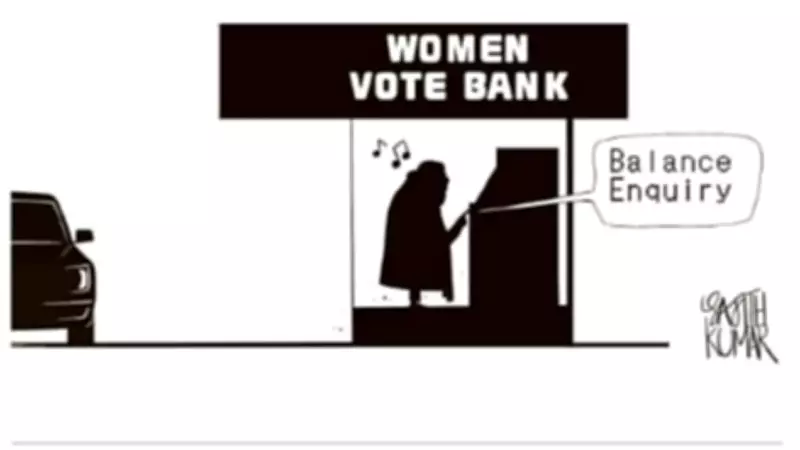
A recent cartoon published by Deccan Herald has sparked widespread debate and discussion across India, focusing on the portrayal of women as a strategic vote bank in the political landscape. The cartoon, which humorously yet pointedly depicts political parties vying for women's votes, has brought to the forefront the complex dynamics of gender and electoral strategy in the country.
Analyzing the Cartoon's Message and Public Reaction
The cartoon, titled "DH Toon: Women Vote Bank," uses satire to illustrate how political entities often view women as a monolithic group to be wooed with promises and policies, rather than engaging with their diverse needs and concerns. This artistic commentary has resonated with many readers, leading to a flurry of reactions on social media and in public forums.
Critics argue that the cartoon highlights a reductive approach in politics, where women are treated as a homogeneous vote bank, potentially overlooking individual issues such as healthcare, education, and economic empowerment. Supporters, however, see it as a necessary critique that encourages more nuanced political discourse.

Broader Implications for Gender and Politics in India
This debate ties into larger conversations about the role of women in Indian democracy. Historically, women have been a key demographic in elections, with parties often rolling out targeted schemes and manifestos to appeal to them. The cartoon underscores how this can sometimes lead to tokenistic gestures rather than substantive policy changes.
- It raises questions about whether political strategies genuinely address women's rights or merely use them as electoral tools.
- The discussion also touches on media's role in shaping public perception of gender issues in politics.
- Experts suggest that such cartoons can serve as a catalyst for deeper analysis of voter engagement and representation.
Conclusion: A Call for More Inclusive Political Dialogue
In conclusion, the Deccan Herald cartoon has successfully ignited a vital conversation about women as a vote bank in India. By using humor to critique political practices, it encourages a move towards more inclusive and respectful electoral strategies that recognize the diversity and agency of women voters. This episode serves as a reminder of the power of media in fostering public debate on critical social issues.