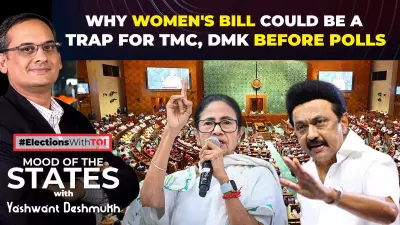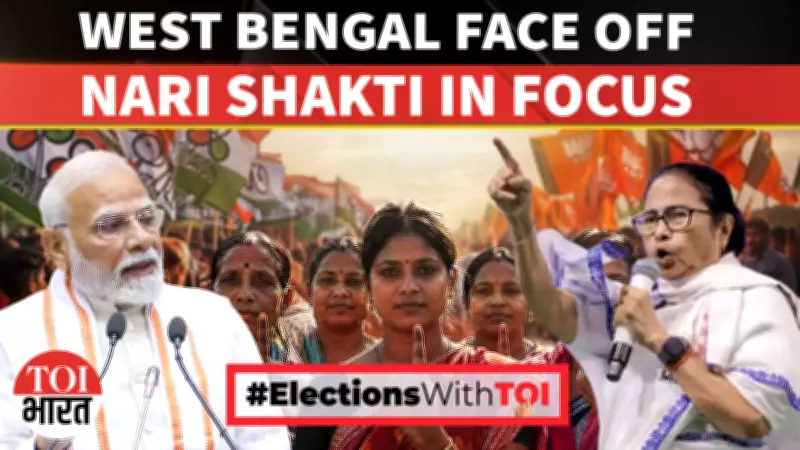
The battle for West Bengal has intensified into a high-stakes, largely bipolar contest between the Trinamool Congress (TMC) and the Bharatiya Janata Party (BJP). Chief Minister Mamata Banerjee stands as the lone woman challenger in a direct and intense face-off with the BJP's top leadership.
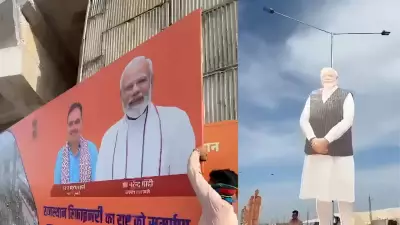
The campaign narrative has swung across multiple issues, from the Babri Masjid and infiltration to even fish politics. However, women's empowerment has now taken centre stage. Prime Minister Narendra Modi has sharpened his pitch, targeting the TMC as an 'anti-women' party while urging voters to shift support to the BJP. His attack follows the failure of the 131st Amendment Bill related to women's reservation, with the Prime Minister accusing opposition parties of undermining women's rights.
Does the Charge Hold Up?
The data paints a more layered picture. While the TMC has the highest proportion of women Members of Parliament (MPs) in Parliament, the BJP leads in absolute numbers. At the state level, however, women's representation remains limited. The issue becomes even more complex when factoring in candidates facing charges related to crimes against women.

Representation vs. Accountability
As both parties compete to win over women voters, a deeper question emerges: Is women's empowerment in this election about representation, or about accountability and real change on the ground? Will Bengal once again rally behind Banerjee's 'maa, mati, manush' pitch, or will the BJP finally break into a political stronghold that has held firm for over 15 years?
The answer may lie in how voters weigh symbolic representation against tangible outcomes in safety, economic opportunity, and legal redress for women.