Bangladesh's February 12 Elections: A Historic Chance for Political Renewal
Bangladesh is poised for a significant political milestone as it prepares for elections on February 12, marking the nation's first palpably free and fair electoral process in 17 years. This pivotal event will also feature a constitutional referendum, presenting voters with a yes/no vote on the July National Charter. The charter, comprising 80 constitutional changes drafted by the Muhammad Yunus-led interim government, aims to reshape the country's political landscape.
Election Dynamics and Key Contenders
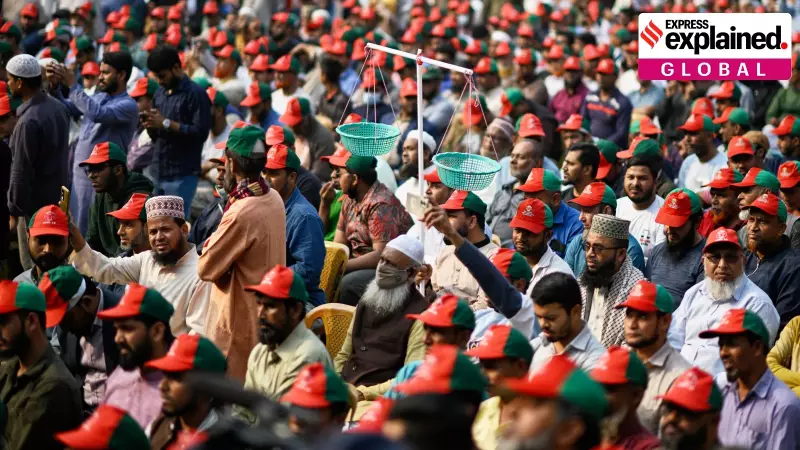
The elections to the 13th Jatiya Sangsad will witness nearly 2,000 candidates competing for 298 seats. Among the prominent parties, the Bangladesh National Party (BNP) is contesting 288 seats, demonstrating its ambitious strategy to dominate the political arena. The Jamaat-e-Islami is fielding candidates for 224 seats, while the National Citizens Party (NCP) is vying for 32 seats. Notably, the Awami League remains banned from participating, a decision that has sparked controversy and criticism from the party, which labels the elections a sham.
In New Delhi, Awami League leaders held a press conference on January 17, followed by a recorded address by former prime minister Sheikh Hasina just six days later. Hasina's comments drew sharp reactions from the interim government in Dhaka, which described them as hate speech that could impair future diplomatic engagements with India.

The BNP's Strategic Positioning
The BNP-led alliance is expected to attract a considerable proportion of the vote, bolstered by the return of de facto leader-in-exile Tarique Rahman, who now serves as party chief. India, which had previously forged close ties with the Awami League, is now increasing its engagement with the BNP, reflecting a pragmatic shift in foreign policy. Domestically, the BNP views the polls as a clean slate, aiming to secure the entirety of the space left vacant by the Awami League's absence.
Kicking off campaigning on January 22, Rahman has held rallies in key constituencies such as Dhaka, Sylhet, Moulvibazar, Habiganj, and Kishoreganj, emphasizing change as the principal electoral platform. However, the BNP's characterization as the new establishment by other political actors presents a vulnerability, particularly among new voters.
The Jamaat-NCP Combine and Islamist Ambitions
The Islamist Jamaat-e-Islami appears more optimistic than ever about its electoral chances, especially after sweeping victories in multiple student union elections last year. The party is leveraging targeted data-based strategies and booth-level tactics to maximize its impact. Like the BNP, the Jamaat views the February elections as a fresh start, with its expanded gamble in 224 seats reflecting increased confidence.
The Jamaat aims to benefit from the electorate's desire for a non-BNP/Awami League government for the first time since 1971. A crucial factor is the unprecedented 750,000-strong expatriate postal vote, with the Jamaat targeting Gulf-based voters, who constitute the largest section of Bangladesh's diaspora. The party's General Secretary has described the election as a constitutional jihad to establish Islamic values, highlighting its Islamist agenda.
The National Citizens Party, a junior partner to the Jamaat, acknowledges its insufficient appeal due to its newness as a political force. The common goal of creating a non-BNP/Awami League bloc unites the NCP and Jamaat, despite their differences.
Constitutional Referendum and Systemic Change
Adding to the clean slate feature of the elections is the July National Charter, about half of whose 80 proposed reforms are constitutional in nature. These include:

- Creation of a bicameral legislature
- Prime ministerial term limits
- Anti-defection provisions
- A new Judicial Appointments Commission
- A provision barring the ruling party from unilaterally making further constitutional changes
This exercise is particularly troubling for the Awami League, which risks becoming an outsider to sweeping structural changes. The BNP, while uncomfortable, has acquiesced for now, believing it can modify these changes if elected. In contrast, parties like the Jamaat and NCP support the charter, viewing it as an opportunity to dismantle the Awami League/BNP dominance of over 50 years.
The interim government's aggressive campaigning for a yes vote has drawn criticism, with constitutional experts like Shahdeen Malik calling it illegal and unethical interference. Bangladeshi newspapers such as The Daily Star have editorialized that the referendum risks being reduced to a sub-plot in the elections.
Implications for Bangladesh's Political Future
Ultimately, the referendum implies that Bangladesh's political transition will not necessarily end with the February 12 elections. A BNP-led government might slow-pedal certain systemic changes, while a Jamaat-led government is more likely to push for faster implementation. For India, the Jamaat remains the principal risk in post-February Bangladesh, given its Islamist credentials, historic closeness to Pakistan, and recent reports of the US actively courting the party.
As Bangladesh stands at a crossroads, the February 12 elections and constitutional referendum represent a historic chance for renewal, with outcomes that will shape the nation's trajectory for years to come.