

Storm Over a Memoir: Former Army Chief's Revelations Ignite National Debate
The publication of former Army Chief General M.M. Naravane's memoir has created significant waves in political and military circles, with its nuanced recollections of sensitive events during his tenure. The book, which details his experiences leading the Indian Army, includes the memorable phrase where he describes being "handed a hot potato" – a metaphor for challenging situations that required delicate handling.
Careful Navigation of Political Terrain
What makes this memoir particularly noteworthy is General Naravane's careful approach to discussing political leadership. Despite the provocative nature of some revelations, the former Army chief has meticulously avoided directly blaming the political establishment or implying any personal grievance against government leaders. This balanced approach has been noted by observers who appreciate the professionalism displayed in his narrative.
The memoir specifically addresses this point with clarity, stating: "To be clear, at no point does Naravane criticise Modi." This explicit statement serves to preempt potential misinterpretations and underscores the author's commitment to maintaining appropriate civil-military boundaries while still sharing important institutional experiences.

Broader Implications for Civil-Military Relations
The publication has sparked broader conversations about several important aspects of India's governance structure:
- The appropriate boundaries between military leadership and political authority
- The value of transparency in military decision-making processes
- The challenges of documenting sensitive national security matters for historical record
- The professional ethics required of senior military leaders when discussing their service
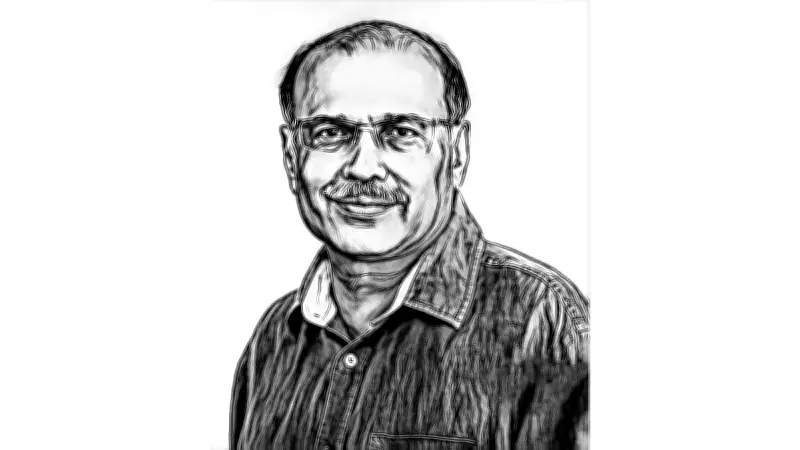
Retired Captain G.R. Gopinath, who has commented on the memoir, represents one perspective in what has become a multifaceted discussion about military accountability, historical documentation, and the proper relationship between India's armed forces and its elected government.
Context and Timing of Publication
The memoir's release comes at a significant moment in India's political landscape, providing insights into military leadership during a period of complex geopolitical challenges. The careful phrasing and deliberate avoidance of direct political criticism suggests a conscious effort to contribute to historical understanding without disrupting current civil-military dynamics.
Observers note that such memoirs from senior military leaders serve multiple purposes – they provide valuable institutional memory, offer insights into decision-making processes during critical moments, and help establish professional standards for how military leaders should engage with political matters both during and after their service.
The discussion surrounding General Naravane's memoir continues to evolve, with analysts examining not just what is said, but perhaps more importantly, what is left unsaid – the careful silences and diplomatic phrasings that characterize professional military discourse in a democratic system.






