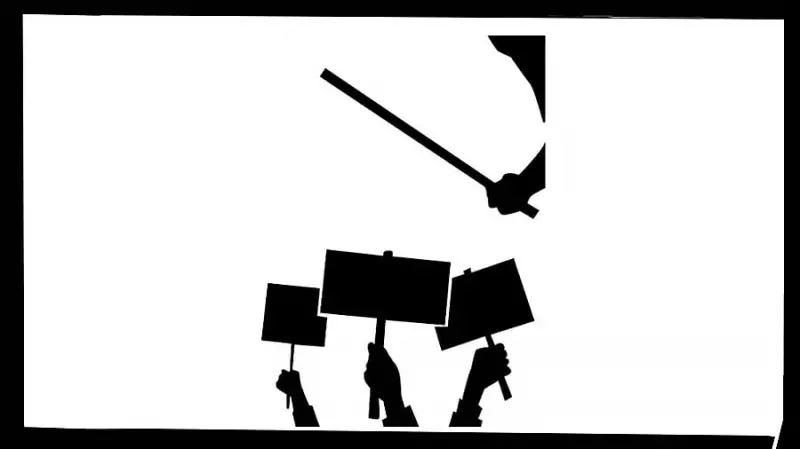
The Indian government's recent response to demonstrations concerning air pollution has sparked a significant debate about its tolerance for dissent. Analysts suggest that the crackdown, rather than projecting strength, signals a profound sense of political insecurity.
A Crackdown That Speaks Volumes
Authorities moved to suppress protests organized around the critical issue of deteriorating air quality, particularly in northern India. This action, noted by commentator Vishal R Choradiya in an opinion piece dated 02 December 2025, is seen as a revealing moment. The response indicates an administration that appears intolerant of any public challenge, even when it originates from constituencies that have traditionally been sympathetic to its cause.
Intolerance Beyond Expected Boundaries
The core of the argument is that the government's fragility is exposed when it cannot accommodate peaceful protest on an issue of universal concern like public health and the environment. The protests were not necessarily led by political opponents but often by citizens, activists, and community groups directly affected by the hazardous air. The crackdown, therefore, is interpreted as a sign of insecurity, showcasing an inability to engage with civic discourse on matters of urgent national importance.

Implications for Democratic Discourse
This incident sets a concerning precedent for the space available for public dissent in India. When demonstrations on a clear, evidence-based crisis like air pollution are met with suppression, it raises questions about the health of democratic dialogue. The move risks alienating citizens who share broader policy goals with the government but disagree on specific approaches or the pace of action. Ultimately, the reaction to the air pollution protests may undermine social cohesion and trust in institutions, proving counterproductive to governance.
The events underscore a tension between state authority and civic action. As India grapples with complex environmental challenges, the pathway forward requires robust discussion and participation. A crackdown on such protests, as highlighted in the recent analysis, suggests a ruling centre that perceives fragility where it could demonstrate resilience by listening and responding to its people's legitimate concerns.