Britain's New Islamophobia Definition Triggers Free Speech Concerns
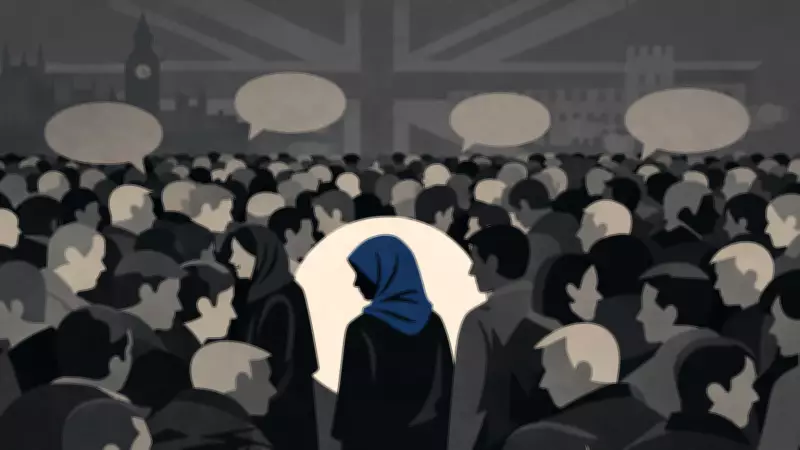
The British government's recently introduced official definition of Anti-Muslim Hostility (AMH), designed to combat Islamophobia, has ignited a significant backlash over potential free speech restrictions. Critics from various religious communities have raised alarms that the definition could inadvertently suppress legitimate criticism of Islamic practices, leading to broader societal tensions.
Religious Communities Unite in Opposition
British Sikhs, Hindus, and Christians have found common ground in their vocal criticism of the new AMH definition. These groups argue that while the intention to curb Islamophobia is commendable, the wording of the definition is overly broad and could be interpreted to penalize even reasonable discussions about Islamic tenets. This unity among diverse faith communities highlights the widespread concern that the policy might create unintended consequences.
Potential Impact on Free Speech
Some commentators have labeled the new definition as Britain's de facto "blasphemy law," suggesting it could criminalize expressions that are critical of any aspect of Islam. The fear is that this could stifle academic, religious, and public discourse, where open debate about religious practices is essential for a pluralistic society. Critics emphasize that protecting free speech is crucial to maintaining democratic values and fostering interfaith understanding.

Risks to Community Relations
The controversy surrounding the AMH definition threatens to exacerbate existing cracks between Britain's ethnic and religious communities. Hindus, Sikhs, White Christians, and others worry that the policy might be perceived as favoring one religion over others, potentially leading to increased polarization. This could undermine efforts to promote harmony and mutual respect among the country's diverse population.
As the debate continues, stakeholders are calling for a more nuanced approach that balances the need to combat Islamophobia with the protection of fundamental freedoms. The outcome of this discussion could have lasting implications for religious tolerance and free expression in Britain.