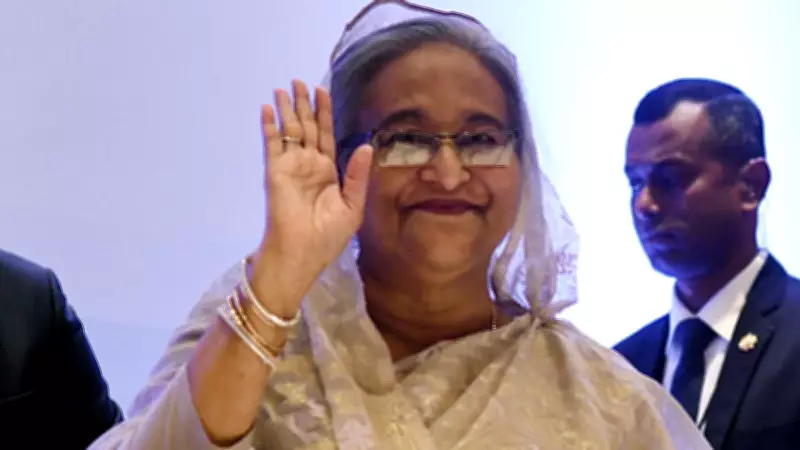
In a significant legal development, Bangladesh's ousted prime minister Sheikh Hasina has been sentenced to 10 years in prison in connection with two distinct corruption cases, as per reports from local media outlets. This ruling marks a pivotal moment in the country's political and judicial landscape, drawing widespread attention both domestically and internationally.
Details of the Corruption Cases
The cases against Sheikh Hasina involve allegations of financial misconduct and abuse of power during her tenure as the head of government. The sentencing, which totals 10 years across the two cases, underscores the ongoing efforts to address corruption within Bangladesh's political sphere. Legal experts suggest that this verdict could have far-reaching implications for the nation's governance and anti-corruption initiatives.
Impact on Bangladesh's Political Scene
Sheikh Hasina, a prominent figure in Bangladeshi politics, has been a central player in the country's recent history. Her sentencing is likely to influence the political dynamics, potentially affecting upcoming elections and the stability of the ruling and opposition parties. Observers are closely monitoring the situation for any signs of unrest or shifts in public opinion.
Reactions and Future Implications
While official statements from the government or Hasina's legal team are awaited, the news has sparked debates among analysts and citizens alike. Some view this as a step towards accountability, while others express concerns over political motivations behind the cases. The international community is also watching, as this development could impact Bangladesh's diplomatic relations and economic prospects.
As the story unfolds, further details are expected to emerge regarding the specific charges, the legal proceedings, and any potential appeals. This case highlights the broader challenges of combating corruption in South Asia and serves as a reminder of the complex interplay between law and politics in the region.