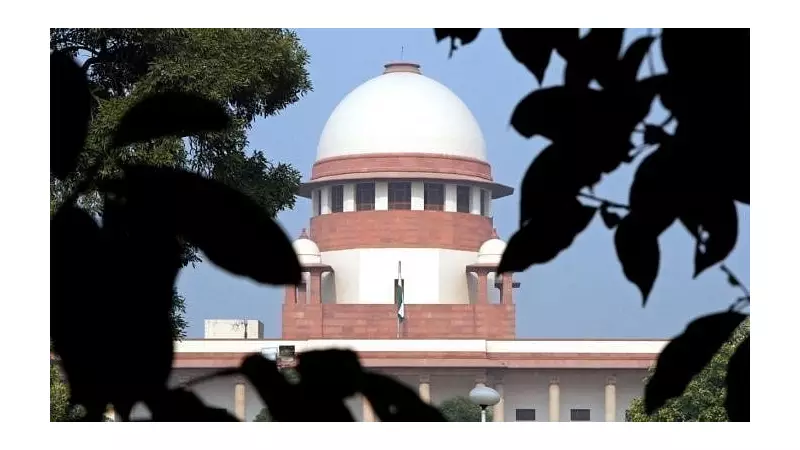
The Supreme Court of India has delivered a scathing rebuke to the state of Haryana, terming the grant of minority certificates to individuals from the upper caste Hindu community as a new type of fraud. This landmark observation came during a hearing where the apex court expressed deep concern over the misuse of minority status provisions, which are intended to protect historically disadvantaged groups.
Court Demands Immediate Accountability from Haryana Government
In a decisive move, the Supreme Court has directed the chief secretary of Haryana to submit a comprehensive report detailing the procedures and mechanisms through which minority certificates are being granted and issued across the state. This directive underscores the court's commitment to ensuring transparency and preventing the exploitation of legal frameworks designed for social justice.
Unpacking the Implications of the Fraudulent Certification
The court's characterization of this practice as fraud highlights several critical issues:

- Erosion of Social Justice Policies: The misuse of minority certificates by upper caste Hindus undermines the very purpose of affirmative action and reservation policies aimed at uplifting marginalized communities.
- Legal and Administrative Lapses: The incident raises serious questions about the vigilance and oversight exercised by state authorities in verifying eligibility criteria for minority status.
- Broader Impact on National Integrity: Such fraudulent activities can fuel social discord and erode public trust in governmental institutions, potentially affecting communal harmony.
The Supreme Court's intervention is seen as a crucial step towards rectifying systemic flaws and ensuring that minority benefits reach their intended beneficiaries. Legal experts anticipate that this case could set a precedent for stricter scrutiny of certification processes nationwide, prompting other states to review their own mechanisms to prevent similar abuses.
As the Haryana chief secretary prepares the mandated report, all eyes are on the state's response and the subsequent actions that may follow from the judiciary. This development marks a significant moment in India's ongoing struggle to balance social equity with administrative integrity, reinforcing the judiciary's role as a guardian of constitutional values.