Supreme Court Dismisses Umar Khalid's Review Plea in Delhi Riots Case
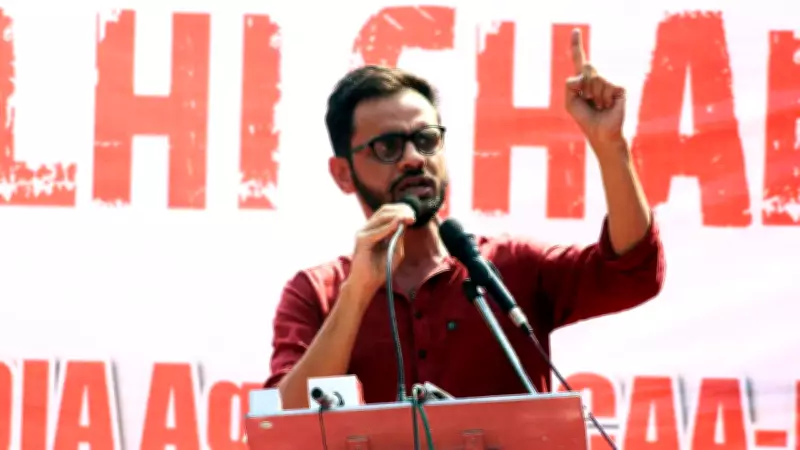
The Supreme Court of India has firmly rejected the review petition filed by student activist Umar Khalid, who is an accused in the high-profile 2020 Delhi riots case. In a decisive ruling delivered on Monday, the apex court upheld its earlier judgment that denied Khalid bail, marking a significant development in this long-standing legal battle.
Court's Verdict and Rationale
In a brief but unequivocal order, the Supreme Court stated, "Having gone through the review petition and the documents on record, we do not find any valid ground to review the judgment dated January 1, 2026. Accordingly, the review petition is dismissed." This dismissal reinforces the court's position that prolonged incarceration before the formal commencement of trial cannot be treated as a "trump card" or a "gateway to bail."
The court's January ruling had already denied bail to Khalid while granting relief to five co-accused individuals. This distinction highlights the judiciary's careful consideration of individual circumstances within the broader context of the case. The rejection of the review plea underscores the court's commitment to maintaining judicial consistency and upholding the principles established in its earlier decision.

Background of the Case
Umar Khalid has been charged under the stringent Unlawful Activities (Prevention) Act (UAPA) in connection with the 2020 Delhi riots, which resulted in widespread violence and significant loss of life. The case has drawn considerable public and legal attention due to its implications for civil liberties and national security.
The Supreme Court's stance reflects a broader judicial approach to cases involving serious allegations under laws like the UAPA, where bail is often difficult to obtain. The court emphasized that the mere passage of time in custody does not automatically entitle an accused to bail, especially when the charges involve grave offenses that threaten public order and safety.
Legal Implications and Future Proceedings
This ruling sets a precedent for similar cases, reinforcing that judicial discretion remains paramount in bail matters. Legal experts note that the decision may influence how courts handle bail applications in cases involving anti-terror laws, balancing individual rights with societal security concerns.
As the trial progresses, this development is likely to shape the legal strategies of both the defense and prosecution. The dismissal of the review plea means that Khalid will continue to remain in custody unless future legal avenues, such as curative petitions or trial court decisions, provide relief. The case continues to be closely monitored for its potential impact on India's legal landscape and its handling of riot-related prosecutions.