Congress Leader Adhir Chowdhury Escalates Political Attack in Baharampur Constituency
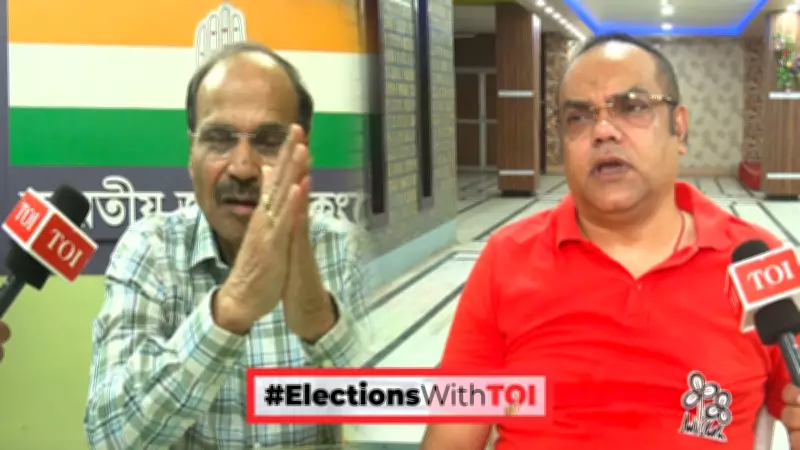
In the politically charged atmosphere of West Bengal, the Baharampur parliamentary constituency has emerged as a critical battleground for the upcoming elections. Congress leader and sitting MP Adhir Ranjan Chowdhury has launched a fierce offensive against Chief Minister Mamata Banerjee and her party colleague Humayun Kabir, reviving serious allegations related to communal riots.
Adhir Chowdhury's Allegations and Campaign Strategy
Adhir Ranjan Chowdhury, known for his vocal opposition to the ruling Trinamool Congress, has intensified his campaign by directly targeting Mamata Banerjee's administration. The Congress leader has resurrected old claims that the TMC leadership, including Humayun Kabir, has engaged in what he describes as "riot-related politics" to polarize voters along communal lines.
Chowdhury's strategy appears focused on questioning the TMC's governance record in Murshidabad district, where Baharampur is located. He has been emphasizing historical tensions and alleged incidents of violence that he claims have been exploited for political gain. This narrative forms a central pillar of his re-election campaign as he seeks to consolidate his traditional support base while appealing to disaffected voters.

Trinamool Congress's Response and Development Counter-Narrative
In response to these allegations, the Trinamool Congress has maintained what observers describe as a remarkably composed stance. Party leaders have largely avoided engaging directly with Chowdhury's specific claims about riots, instead redirecting the conversation toward their development achievements in West Bengal.
The TMC's counter-strategy emphasizes infrastructure projects, social welfare schemes, and economic improvements implemented during Mamata Banerjee's tenure. Humayun Kabir and other TMC representatives have been highlighting what they characterize as tangible progress in healthcare, education, and rural development across the state, presenting this as evidence of their commitment to inclusive governance.
Three-Way Electoral Battle Intensifies in Baharampur
The political dynamics in Baharampur have become increasingly complex with the Bharatiya Janata Party also vying for influence in this traditionally Congress stronghold. The BJP, which made significant inroads in West Bengal during previous elections, is defending its earlier breakthrough performance in the constituency.
This creates a triangular contest where:
- Adhir Chowdhury represents the Congress with his anti-TMC narrative
- The Trinamool Congress focuses on development achievements
- The BJP attempts to expand its presence beyond its traditional base
Political analysts suggest that Chowdhury's aggressive approach against both Mamata Banerjee and Humayun Kabir reflects his recognition of the dual challenge he faces from the TMC's incumbency advantage and the BJP's growing appeal among certain voter segments.
Broader Context of West Bengal's Political Landscape
The Baharampur contest occurs against the backdrop of several related developments in West Bengal politics. Recent reports have highlighted:
- Concerns about voter list integrity in Murshidabad district
- Migration patterns potentially affecting electoral demographics
- Judicial scrutiny of administrative processes in the state
- Strategic campaigning by national parties in key constituencies
These factors contribute to making Baharampur one of the most closely monitored constituencies in the 2026 West Bengal elections. The outcome here is seen as potentially indicative of broader political trends in the state, particularly regarding the Congress party's ability to maintain its traditional strongholds against challenges from both regional and national parties.
As the campaign intensifies, all three major political formations are deploying significant resources in Baharampur, recognizing its symbolic and strategic importance in West Bengal's complex political geography. The constituency's voters now face a choice between competing narratives of alleged communal politics, claimed development achievements, and alternative visions for the state's future.