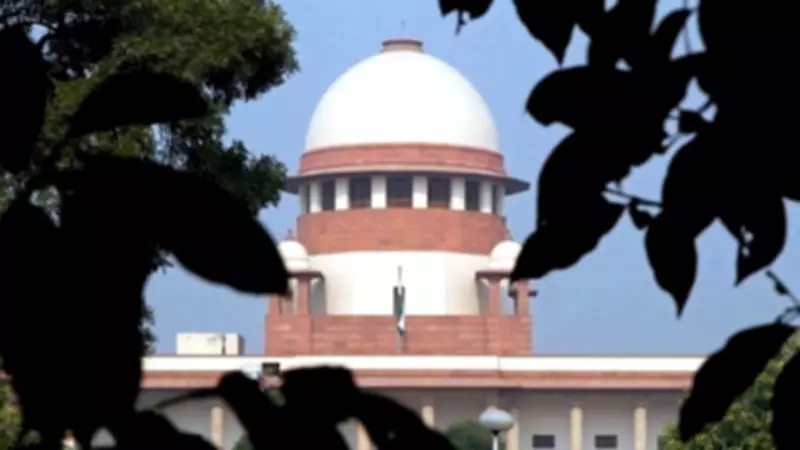
Supreme Court Declines to Hear PIL on Caste Data Collection in 2027 Census
The Supreme Court of India has made a significant decision by refusing to entertain a Public Interest Litigation (PIL) that raised concerns about the procedures for recording caste information of citizens in the 2027 Census. The court dismissed the petition, deeming it premature at this stage, as the census process is still in its planning phases.
Background of the PIL and Legal Arguments
The PIL was filed by a group of citizens and activists who questioned the methodology and potential implications of collecting caste-based data in the upcoming national census. They argued that such procedures could lead to social divisions and misuse of sensitive information. However, the Supreme Court bench, led by Chief Justice of India, noted that the petition was based on speculative grounds, as the government has not yet finalized the census protocols.
The court emphasized that it cannot intervene in matters that are still under consideration by the executive branch. It stated that any challenges to the census procedures should be raised only after the government announces the official guidelines for the 2027 Census. This decision underscores the judiciary's role in maintaining a balance between public interest and administrative autonomy.
Implications for the 2027 Census and Social Policy
This ruling has broader implications for India's demographic data collection and social policies. The 2027 Census is expected to be a crucial tool for planning and implementing welfare schemes, as caste data can help in identifying marginalized communities and allocating resources effectively. By dismissing the PIL, the Supreme Court has allowed the government to proceed with its preparations without judicial interference at this early stage.
Experts suggest that this decision might encourage more transparent discussions on how caste data should be recorded and used. It highlights the need for robust safeguards to protect privacy and prevent discrimination, while also ensuring that the census serves its purpose of providing accurate social and economic indicators.
Public and Political Reactions
The dismissal of the PIL has sparked mixed reactions across the country. Some civil society groups have expressed disappointment, fearing that without early judicial scrutiny, the census procedures might overlook critical ethical concerns. On the other hand, government officials have welcomed the decision, viewing it as a validation of their authority to design and execute the census process.
Political analysts note that this issue touches on deep-seated debates about caste identity and data privacy in India. The Supreme Court's stance is seen as a cautious approach, avoiding premature judgments that could hinder administrative efficiency. As the 2027 Census approaches, it is likely that further legal and public debates will emerge, shaping the final framework for data collection.
In summary, the Supreme Court's refusal to entertain the PIL on caste recording in the 2027 Census marks a pivotal moment in India's legal and social landscape. It sets a precedent for how courts handle petitions related to ongoing government processes, while also highlighting the ongoing challenges in balancing data collection with social harmony and individual rights.