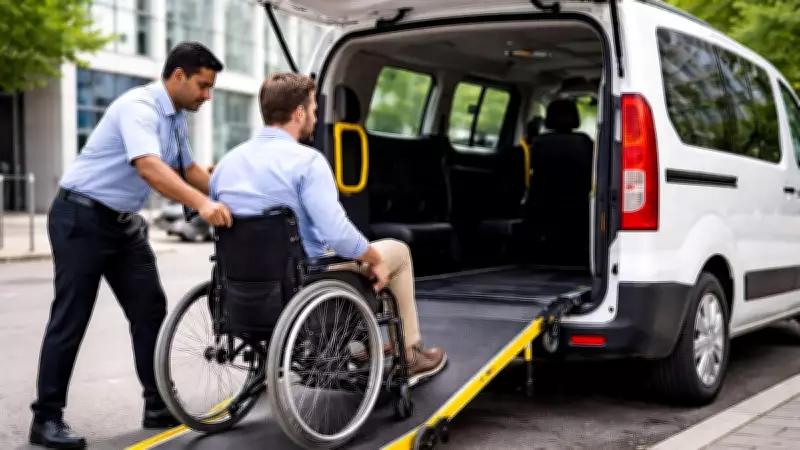
Supreme Court Issues Landmark Directive for Wheelchair-Accessible Cabs
In a significant ruling aimed at bolstering accessibility and inclusivity, the Supreme Court of India has mandated that cabs across the country must be equipped to accommodate wheelchairs. This directive underscores the court's commitment to upholding the rights of persons with disabilities, ensuring they have equal opportunities for mobility and participation in society.
Enhancing Accessibility for All Citizens
The court's decision addresses a critical gap in transportation infrastructure, where many individuals with mobility impairments face challenges in accessing cab services. By requiring cabs to be wheelchair-accessible, the ruling seeks to eliminate barriers that have long hindered the daily lives of disabled persons, promoting their independence and dignity.
This move aligns with broader national efforts under the Rights of Persons with Disabilities Act, 2016, which emphasizes the need for accessible public transport. The Supreme Court's intervention highlights the judiciary's role in enforcing such provisions, ensuring that legal frameworks translate into tangible improvements on the ground.

Implications for Cab Operators and Commuters
Cab operators will now need to retrofit or procure vehicles that can safely and comfortably accommodate wheelchairs. This may involve modifications such as installing ramps, securing mechanisms, and ensuring adequate space within the vehicle. While this could entail initial costs, it is expected to foster a more inclusive transportation ecosystem, benefiting millions of users.
For commuters with disabilities, this ruling promises greater convenience and autonomy, reducing reliance on specialized services and enabling seamless travel for work, healthcare, and social activities. It also sends a powerful message about societal values, encouraging other sectors to adopt similar accessibility measures.
Legal and Social Context of the Ruling
The Supreme Court's directive comes amid growing awareness and advocacy for disability rights in India. Recent years have seen increased litigation and public discourse on issues like accessible infrastructure, employment opportunities, and social inclusion. This ruling adds momentum to these efforts, setting a precedent for future cases and policy implementations.
- Improved Mobility: Persons with disabilities will gain easier access to cab services, enhancing their daily mobility and quality of life.
- Regulatory Compliance: Cab operators must adhere to new standards, potentially leading to industry-wide upgrades and innovations in vehicle design.
- Broader Impact: The decision may inspire similar mandates for other modes of transport, such as buses and auto-rickshaws, furthering accessibility nationwide.
In conclusion, the Supreme Court's order for wheelchair-accessible cabs marks a pivotal step toward a more equitable society. By prioritizing the needs of persons with disabilities, it reinforces the principle of equal access for all, paving the way for a future where transportation barriers are a thing of the past.