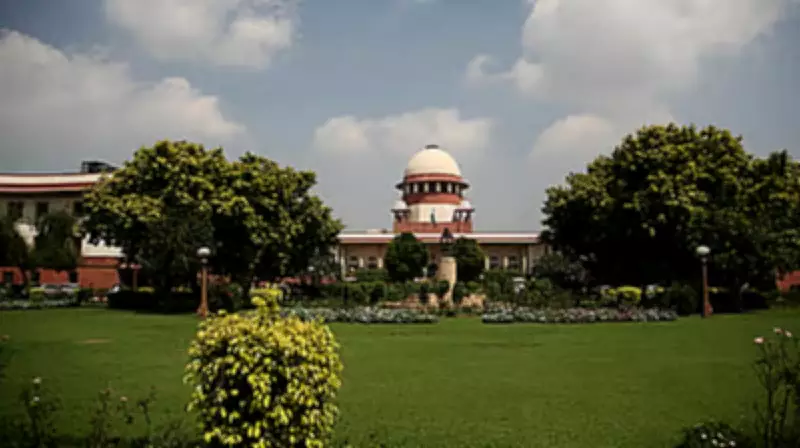
Supreme Court Clarifies Grounds for Ordering a Fresh Trial
In a significant ruling that underscores the principles of fairness and justice in India's legal system, the Supreme Court has made it clear that a fresh trial cannot be ordered merely on the basis of procedural irregularities. The court emphasized that such a step requires the demonstration of tangible prejudice to the accused, ensuring that legal processes are not disrupted without substantial cause.
Key Legal Principle Established
The apex court's decision highlights a crucial legal standard: for a fresh trial to be warranted, there must be demonstrable prejudice that affects the rights of the accused. This means that minor errors or technical lapses in procedure, which do not impact the outcome or fairness of the trial, are insufficient grounds for restarting the entire process. The ruling aims to prevent unnecessary delays and uphold the integrity of judicial proceedings.
Implications for Criminal Justice
This judgment is expected to have far-reaching implications for criminal cases across India. By setting a high bar for ordering fresh trials, the Supreme Court seeks to balance the need for procedural correctness with the rights of the accused. It reinforces that the justice system should focus on substantive fairness rather than getting bogged down by trivial irregularities.

The court noted that without clear evidence of prejudice, ordering a fresh trial could lead to injustice by prolonging legal battles and causing undue hardship to all parties involved.
Context and Background
The ruling came in response to a case where the lower courts had considered ordering a fresh trial based on alleged procedural flaws. The Supreme Court reviewed the matter and concluded that no demonstrable prejudice was shown, thereby dismissing the plea for a new trial. This decision aligns with previous jurisprudence that prioritizes the finality of judgments and the efficient administration of justice.
Legal experts have welcomed the ruling, stating that it provides much-needed clarity and prevents the misuse of procedural technicalities to derail trials. It underscores the importance of ensuring that justice is not only done but seen to be done, without unnecessary procedural hurdles.
Conclusion
In summary, the Supreme Court's ruling establishes a precedent that fresh trials should be an exception rather than the norm, reserved for cases where there is clear and demonstrable prejudice. This approach is likely to streamline criminal proceedings and enhance public confidence in the legal system, by focusing on the core issues of fairness and justice.