Supreme Court Delivers Landmark Ruling on Scheduled Caste Status After Religious Conversion
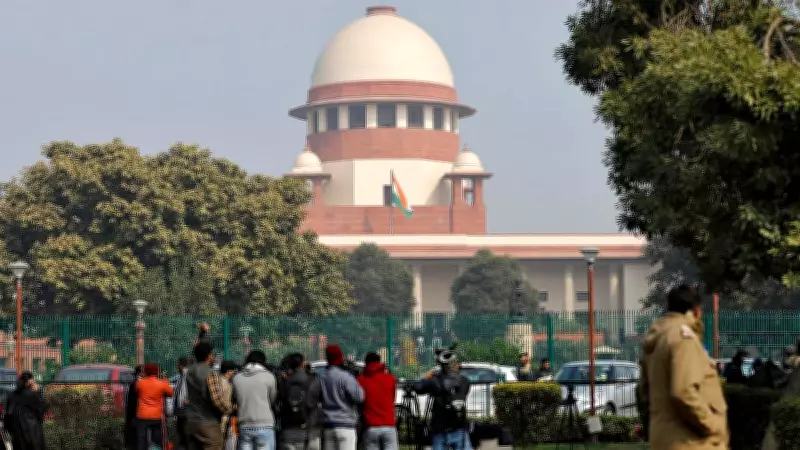
In a significant judgment with far-reaching implications, the Supreme Court of India has unequivocally stated that individuals who convert to Christianity forfeit their status as members of the Scheduled Caste community. The apex court clarified that conversion to any religion other than Hinduism, Sikhism, or Buddhism results in the automatic loss of Scheduled Caste privileges and legal recognition.
Core Legal Principle Established by the Bench
The bench emphasized that the constitutional and statutory protections granted to Scheduled Castes are intrinsically linked to the social disabilities and historical oppression faced within the Hindu social structure. Once a person leaves this structure through conversion to a religion like Christianity, which does not recognize the caste system, they can no longer claim the benefits reserved for SCs.
This ruling reinforces the legal position that Scheduled Caste status is not merely a matter of birth but is contingent upon continued affiliation with the religions originally specified in the Presidential Orders under the Constitution. The court noted that exceptions exist for conversions to Sikhism and Buddhism, as these are recognized within the same social framework for SC purposes.

Detailed Rationale Behind the Judgment
The Supreme Court provided a comprehensive analysis, highlighting several key points:
- The primary objective of SC reservations is to address historical social and educational backwardness stemming from the caste hierarchy in Hinduism.
- Conversion to Christianity severs the individual from the caste-based social milieu, thereby removing the basis for claiming SC status.
- The legal framework does not extend SC status to converts to religions outside the specified ones, ensuring the benefits target the originally intended beneficiaries.
This decision aims to prevent misuse of reservation policies and maintain the integrity of affirmative action measures designed for specific disadvantaged groups. It underscores the judiciary's role in interpreting constitutional provisions strictly to uphold legislative intent.
Broader Implications and Future Considerations
The judgment is expected to impact numerous legal cases and administrative processes where individuals converted to Christianity have sought SC certificates or benefits. Authorities will now need to scrutinize religious affiliation carefully when processing such claims.
Legal experts suggest that this ruling may prompt further discussions on the intersection of religion, caste, and identity in India's pluralistic society. However, the court's stance remains clear: conversion alters social identity in ways that affect legal status under current laws.
The Supreme Court's verdict reaffirms the principle that Scheduled Caste status is not portable across all religious conversions, setting a precedent for future litigation on similar matters involving other religions not covered by existing orders.