Supreme Court Reaffirms Constitutional Right to Vote but Denies Interim Relief to Deleted Voters in West Bengal
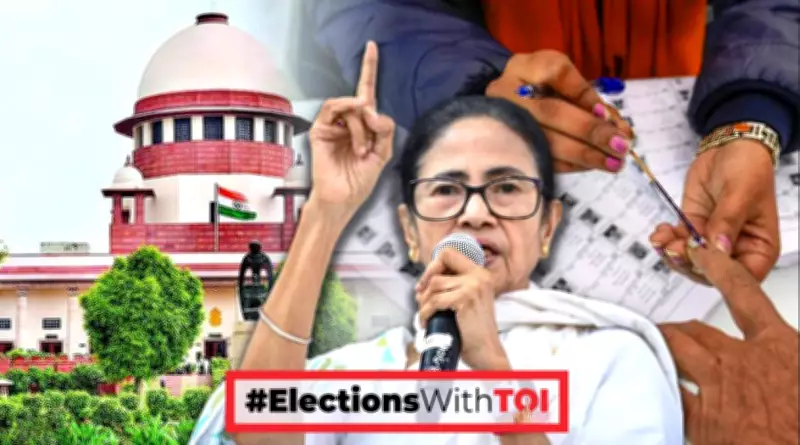
In a landmark observation, the Supreme Court of India has strongly reaffirmed that the right to vote is not only a constitutional entitlement but also deeply intertwined with individual identity and democratic participation. This powerful statement underscores the judiciary's commitment to protecting fundamental democratic principles.
Court's Dual Stance: Principle Versus Process
However, in a parallel development that highlights the complex nature of electoral governance, the Supreme Court declined to grant interim voting rights to voters who were removed from electoral rolls during West Bengal's Special Intensive Revision (SIR) exercise. The Court cited procedural constraints and electoral timelines as primary reasons for this decision, emphasizing the importance of maintaining established electoral processes.
The Court's refusal to intervene mid-election creates a significant contrast between its strong theoretical defense of voting rights and its practical application during ongoing electoral procedures. This tension between principle and process reveals the delicate balance courts must maintain when addressing electoral matters that could disrupt scheduled democratic exercises.

Understanding the West Bengal Context
The specific case involves voters in West Bengal who were deleted from electoral rolls as part of the state's SIR exercise, a process designed to clean and update voter lists. These individuals sought interim relief from the Supreme Court to exercise their voting rights despite their removal from official rolls.
The Court's decision to deny this relief while simultaneously affirming the importance of voting rights creates a nuanced legal precedent that will likely influence future electoral disputes across India.
Broader Implications for Democratic Participation
This Supreme Court ruling carries several important implications:
- Constitutional Reinforcement: The Court's reaffirmation that voting is a constitutional right strengthens legal protections for democratic participation nationwide.
- Procedural Boundaries: The decision establishes clear boundaries regarding judicial intervention in ongoing electoral processes, prioritizing established procedures over individual relief during active elections.
- Future Electoral Challenges: This ruling may influence how similar cases are approached in future elections, particularly those involving voter list revisions and deletions.
- Democratic Balance: The contrast between principle and process highlights the ongoing challenge of balancing individual rights with systemic electoral integrity.
The Supreme Court's dual approach—affirming fundamental rights while respecting electoral procedures—demonstrates the complex interplay between constitutional guarantees and practical governance in India's vibrant democracy. This decision will undoubtedly spark further discussion about how to best protect voting rights while maintaining orderly electoral processes across the nation.