Pune Civic Body to Receive 12 Breathalysers from Traffic Police for Tanker Driver Checks
The Pune Municipal Corporation (PMC) is set to receive approximately 12 breathalysers from the Pune traffic police next week to conduct checks on water tanker drivers and prevent drunk driving, according to senior civic officials. This move addresses growing road safety concerns involving tanker drivers and follows recent fatal accidents that triggered widespread public outrage.
Current Enforcement Challenges and Equipment Shortages
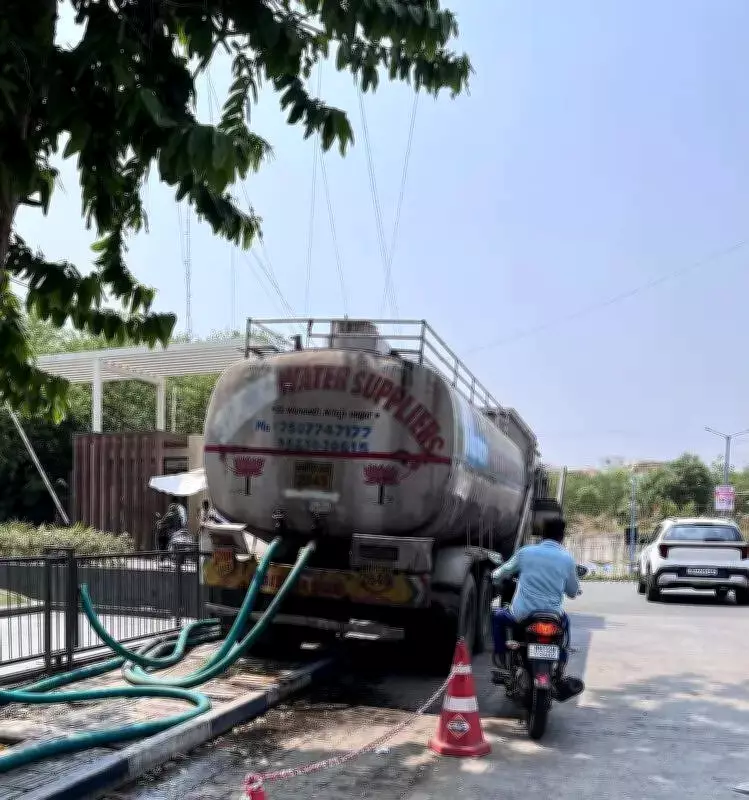
Nandkishor Jagtap, head of the PMC water supply department, revealed that the civic body currently possesses only one calibrated breathalyser, provided by the traffic police. This single device has been used on a rotational basis across eight PMC-operated tanker-filling stations.
"We had previously attempted to procure these devices independently, but police advised caution regarding their make and accuracy," Jagtap explained. "Some cheaper alternatives failed to deliver reliable readings. While drunk driving enforcement primarily falls under traffic police jurisdiction, we have been conducting random checks of drivers visiting PMC filling stations."

Tragic Accidents Intensify Need for Stricter Measures
The urgency for enhanced enforcement escalated dramatically after two separate fatal accidents involving water tankers earlier this month. On April 5, 19-year-old Aariz Shaikh from Pargenagar lost his life when a water tanker struck his two-wheeler on NIBM-Raheja Vista Road. Just two days later on April 7, 22-year-old Gracia Daniel Isa from Wanowrie was killed in a similar incident near Ganga Satellite Society in Wanowrie.
These tragedies sparked widespread protests across Pune communities. During demonstrations, a local corporator reportedly apprehended a separate tanker driver who was allegedly found intoxicated while on duty.
Operator Strike and Negotiated Safety Measures
Following police intervention, tanker operators initiated a one-day strike that disrupted water supply across multiple Pune neighborhoods. After negotiations between authorities and operators, a compromise was reached with a 15-day deadline for all tanker vehicles to install 360-degree cameras to improve monitoring and accountability.
Expanded Enforcement Strategy with New Equipment
Officials confirmed that once the PMC receives the additional breathalysers, checking operations will be significantly scaled up. "For privately operated tankers, traffic police will continue enforcement on public roads. However, for those under PMC contracts, we will conduct frequent and random checks at designated filling points," an official stated.
The official emphasized strict consequences for violations: "Any driver found intoxicated will face severe action. The concerned contractor could face suspension or termination of their agreement with the civic body. Had we not received these devices from police, we would have purchased them in consultation with traffic authorities."
Broader Safety Concerns Beyond Alcohol Consumption
Commuters and residents highlighted that drunk driving represents just one aspect of a larger safety problem. Many pointed to additional reckless behaviors including speeding, distracted driving, and cellphone usage behind the wheel as equally dangerous practices.
Pushkar More, a Wanowrie resident, observed: "It has become commonplace to witness tanker drivers steering with one hand while operating cellphones with the other. Some engage in conversations, while others watch videos while driving. Enforcement needs to become significantly stricter."
Systemic Solutions Beyond Periodic Checks
Some residents noted that similar breathalyser initiatives by public transport agencies like PMPML and MSRTC have not completely resolved safety issues. Sujaat Kandul, a Lohegaon resident, suggested: "Authorities must move beyond periodic checks. The PMC should hold tanker operators accountable and ensure they hire properly trained, experienced drivers following comprehensive background verification processes."

The expanded breathalyser program represents Pune's latest effort to address mounting public safety concerns regarding water tanker operations, combining equipment enhancements with stricter enforcement protocols to prevent future tragedies on city roads.