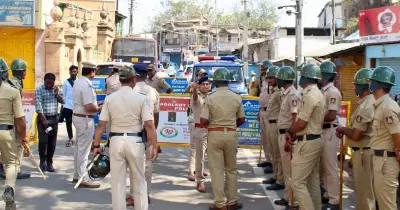
BPR&D Leadership Training for Prison Officers Concludes in Visakhapatnam
A comprehensive three-day training program, sponsored by the Bureau of Police Research and Development (BPR&D) under the Ministry of Home Affairs, concluded on Friday at the Central Prison in Visakhapatnam. The program, themed "Leadership in Prison Administration," was designed to strengthen leadership capabilities among prison officers and elevate professional standards in correctional administration across India.
Program Organization and Participants
The training was organized under the guidance of M Mahesh Babu, Superintendent of the Central Prison in Visakhapatnam. It attracted a diverse group of officers, including deputy jailors and deputy superintendents, from various prisons nationwide. This initiative aimed to foster a collaborative learning environment, bringing together professionals from different regions to share insights and best practices.
Expert Lectures and Curriculum
Lectures were delivered by senior professors from prestigious institutions such as IIM-Visakhapatnam and Andhra University. These sessions covered critical aspects of prison management, focusing on modern leadership theories, administrative strategies, and ethical practices in correctional settings. The curriculum emphasized practical applications to ensure officers could implement learned skills effectively in their daily duties.
Valediction Ceremony and Key Insights
The valediction ceremony was graced by Dr. Indla Sreenivasa Rao, Inspector General of Prisons and Correctional Services for Andhra Pradesh. He distributed certificates to all participants, acknowledging their commitment to professional development. In his valedictory address, Dr. Rao underscored several key leadership principles essential for prison administration:
- Anticipatory Leadership: Proactively identifying and addressing potential issues before they escalate.
- Emotional Resilience: Maintaining composure and empathy in high-stress environments.
- Lawful Use of Authority: Ensuring all actions comply with legal frameworks to uphold justice and human rights.
Dr. Rao highlighted that effective prison leadership requires a delicate balance between firmness and a reformative approach, particularly during volatile situations like riots. He praised the active participation of the officers and commended the organizing team for the program's successful execution, noting its potential to drive positive changes in correctional facilities.
Impact and Future Implications
This training program represents a significant step toward enhancing the competency and leadership skills of prison officers in India. By equipping them with advanced knowledge and practical tools, it aims to improve overall prison management, promote rehabilitation efforts, and ensure safer custodial environments. The collaboration between BPR&D, academic institutions, and prison authorities underscores a commitment to ongoing professional development in the correctional sector.