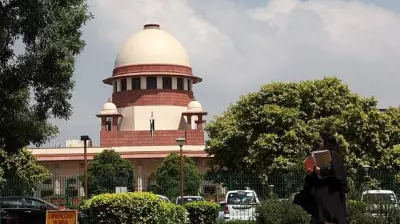
MP High Court Reverses POCSO Court Decision, Mandates Witness Examination
In a significant legal development, the Madhya Pradesh High Court has set aside an order from a special POCSO court in Rewa district that had rejected the accused's application to call key prosecution witnesses for examination, including the expert responsible for the DNA report in the case.
Appeal Against Trial Court Order
Hearing the appeal of the accused against the trial court's decision, a bench led by Justice A K Singh of the MP High Court delivered a nuanced judgment. The court observed, "Justice delayed is justice denied, but it has to be read conjointly with justice hurried is justice buried." This statement underscores the delicate balance required between expediting trials and ensuring procedural fairness.
The trial court at Sirmour in Rewa district had twice rejected the accused's application, citing that the case is among the 100 oldest in the district and noting the High Court's directive to dispose of such cases within six months. In its rejection, the court questioned why the accused did not file the application earlier and argued that the forensic expert's report is admissible without formal proof under Section 293 of the Criminal Procedure Code (CrPC).
High Court's Critical Observations
Justice Singh, however, found the trial court's order unsustainable. The High Court emphasized that while speedy disposal of cases is crucial, it must not compromise the accused's right to a fair trial, including the opportunity to examine witnesses. The court highlighted that denying the examination of the DNA expert and other witnesses could potentially bury justice in haste.
The High Court directed the trial court to call the expert witness and other witnesses as requested in applications disposed of on August 28, 2024, and September 3, 2024. It mandated that their statements be recorded according to law, after which the case should proceed to a final decision.
Implications for Legal Proceedings
This ruling reinforces the principle that procedural rights in criminal trials, especially under sensitive laws like the Protection of Children from Sexual Offences (POCSO) Act, must be upheld. It serves as a reminder to lower courts to balance judicial efficiency with the fundamental tenets of justice, ensuring that deadlines do not override fair process.
With these observations and directions, the revision petition has been disposed of, marking a pivotal moment in the ongoing case and setting a precedent for similar legal battles in Madhya Pradesh and beyond.