Kejriwal Accuses Modi Government of Jailing Sonam Wangchuk Without Evidence
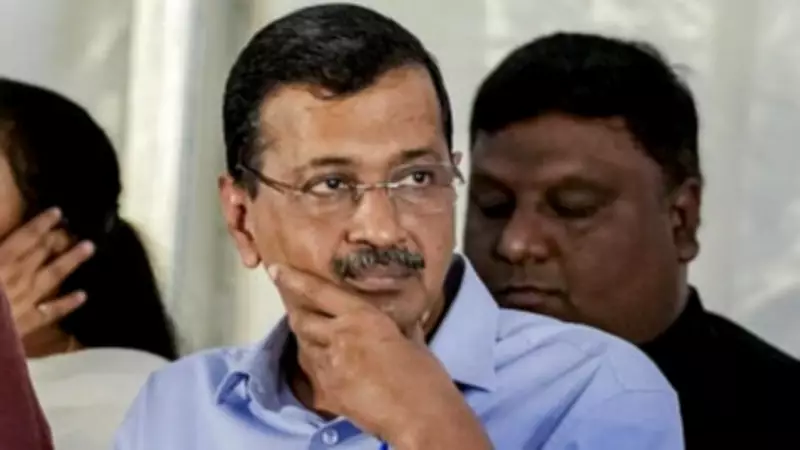
Delhi Chief Minister Arvind Kejriwal has launched a sharp critique against the central government, alleging that Ladakh activist and innovator Sonam Wangchuk was imprisoned without any substantial evidence. This accusation adds to a series of political controversies, with Kejriwal framing it as another exposure of the Modi administration's tactics.
Details of the Allegations
According to Kejriwal, Sonam Wangchuk, renowned for his environmental and educational work in Ladakh, was detained under questionable circumstances. The Delhi CM claims that no concrete proof was presented to justify the arrest, suggesting it was politically motivated to silence dissent. This incident has sparked outrage among opposition parties and civil society groups, who view it as an attack on democratic freedoms.
Kejriwal emphasized that such actions undermine the rule of law and set a dangerous precedent for activists across India. He called for transparency and accountability from the government, urging a review of the case to ensure justice is served.

Background on Sonam Wangchuk
Sonam Wangchuk is a celebrated figure in Ladakh, known for his contributions to sustainable development and education. He gained national fame for inspiring the character Phunsukh Wangdu in the Bollywood film 3 Idiots. His activism focuses on issues like climate change, water conservation, and tribal rights, making him a vocal critic of government policies in the region.
Wangchuk's arrest, as described by Kejriwal, occurred amidst his advocacy for greater autonomy and protection for Ladakh's environment. Supporters argue that his detention is an attempt to curb his influence and stifle opposition to central policies.
Political Implications
This controversy emerges during a heated political climate, with elections looming and tensions high between the ruling BJP and opposition parties. Kejriwal's allegations are seen as part of a broader strategy to challenge the Modi government's credibility on human rights and governance.
Analysts note that such incidents could impact public perception, especially among voters concerned with civil liberties. The opposition may use this to rally support, framing it as evidence of authoritarian tendencies within the current administration.
Government Response and Reactions
As of now, the central government has not issued an official statement regarding Kejriwal's claims. However, BJP leaders have previously defended law enforcement actions, stating they are based on legal procedures and national security concerns.
Reactions from various stakeholders include:
- Civil Society: Expressing solidarity with Wangchuk and demanding his release.
- Opposition Parties: Condemning the arrest as politically driven and calling for protests.
- Legal Experts: Highlighting the need for due process and evidence in such cases to uphold constitutional values.
The situation remains fluid, with potential for further developments as more details emerge. Observers are closely watching how this case unfolds, as it could have significant ramifications for activism and political discourse in India.