MP High Court Dismisses 'Unnatural Sex' Charges in Marital Dispute, Upholds Other Allegations
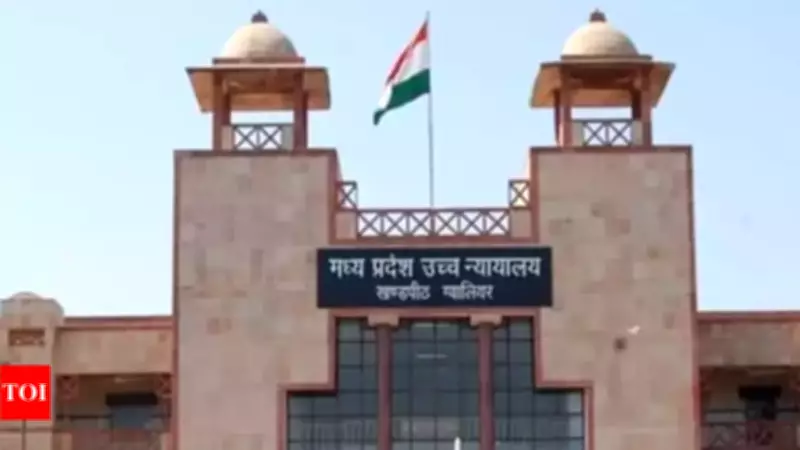
The Madhya Pradesh High Court, Gwalior bench, has delivered a significant ruling by quashing charges of 'unnatural sex' against a husband in a case originating from Bhind district. The court firmly held that such allegations cannot be prosecuted under the current legal framework when they pertain to acts within a valid marital relationship.
Court's Legal Reasoning and Observations
Justice Milind Ramesh Phadke, while hearing a petition to dismiss the FIR and charges, provided a detailed legal analysis. The court observed that even if the complainant's allegations of forced unnatural acts are accepted as true, they involve acts within a marriage and therefore do not constitute an offence under Section 377 of the Indian Penal Code (IPC).
The judgment clarified that following the 2013 amendment, the definition of rape under Section 375 IPC has been substantially broadened to include various sexual acts, such as oral and anal penetration. However, the court emphasized the persistent legal exception which explicitly states that sexual intercourse or sexual acts by a man with his own wife is not classified as rape.

In this context, the court asserted that the legal position is unequivocal: allegations of such acts between husband and wife cannot be brought under Section 377 IPC. "Such allegations would not constitute an offence under Section 377 IPC," the court ruled, thereby quashing the charge against the husband.
Other Charges Proceed to Trial
Simultaneously, the court declined to interfere with the remaining charges against the husband, which include cruelty for dowry, assault, and criminal intimidation. The court noted that these allegations are supported by material evidence on record and must be thoroughly examined during the trial process.
This aspect of the order ensures that serious accusations related to dowry harassment and physical violence will continue to be adjudicated, highlighting the court's balanced approach in addressing different facets of the case.
Growing Trend in Matrimonial Disputes
The ruling emerges against a backdrop of an increasing pattern in the Gwalior-Chambal region, where Section 377 IPC is being invoked more frequently in matrimonial disputes alongside charges of dowry and cruelty. Legal officials indicate that this section is often added to strengthen cases and amplify legal pressure on the accused.
However, courts have consistently scrutinized the applicability of Section 377 in the context of marital relationships, with this latest judgment reinforcing the principle that such charges may not hold legal ground within marriage under existing laws.
The decision underscores the complexities of marital law in India, where courts must navigate between protecting individuals from harm and upholding legal definitions that exclude certain acts within marriage from criminal prosecution. It also points to the need for ongoing legal discourse on marital rights and protections.