Maduro's Capture Reignites Historical Patterns of U.S. Influence in the Americas
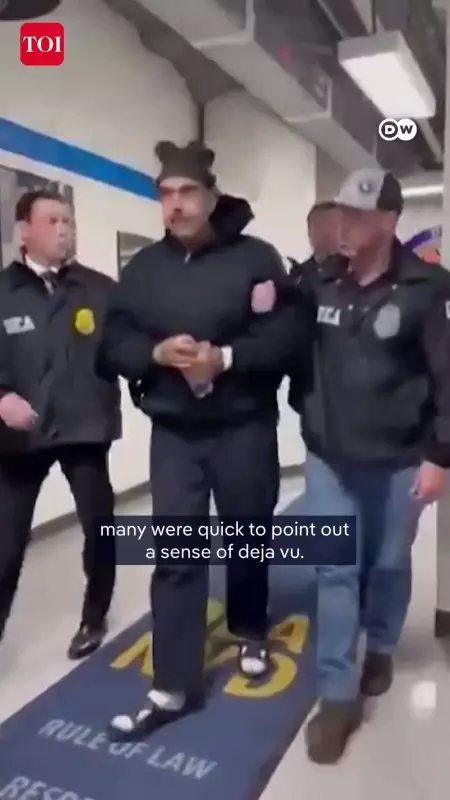
The recent capture of Venezuela's President Nicolas Maduro by United States forces has sent shockwaves across the globe, but perhaps nowhere more profoundly than in Latin America. This dramatic event has immediately drawn comparisons to historical U.S. interventions in the region, most notably the 1989 capture of Panamanian leader Manuel Noriega. The parallels are striking and serve as a stark reminder of the enduring and often controversial role of American power in the Western Hemisphere.
A History Repeating: From Noriega to Maduro
Analysts and historians are pointing to a clear pattern of unilateral American action in Latin American affairs. The operation against Maduro, much like the invasion of Panama over three decades ago, underscores a willingness by the U.S. to directly intervene in the sovereign matters of neighboring nations. This action revives debates about the Monroe Doctrine and its modern interpretations, where the U.S. asserts its influence to shape political outcomes in the Americas.
The risks associated with such a foreign policy approach are becoming increasingly apparent. Unilateral interventions can lead to:
- Regional instability and heightened geopolitical tensions.
- A backlash against U.S. influence, potentially fueling anti-American sentiment.
- Complex legal and diplomatic challenges regarding sovereignty and international law.
The Broader Implications for Latin America and Global Order
This event is not occurring in a vacuum. It comes at a time of significant global realignment, as noted by other world leaders at forums like Davos. The capture of a sitting president by a foreign power raises profound questions about the future of international norms and the balance of power. For Latin American nations, it is a potent reminder of their often-turbulent relationship with the United States, marked by periods of intervention, cooperation, and resistance.
The situation in Venezuela remains fluid, and the long-term consequences of this action are yet to be fully understood. However, one thing is clear: the ghost of past interventions has been powerfully awakened, forcing a re-examination of America's role and the principles that should guide engagement in the Americas in the 21st century.