Madras High Court Dismisses Plea Against Electric Crematorium Construction in Theni District
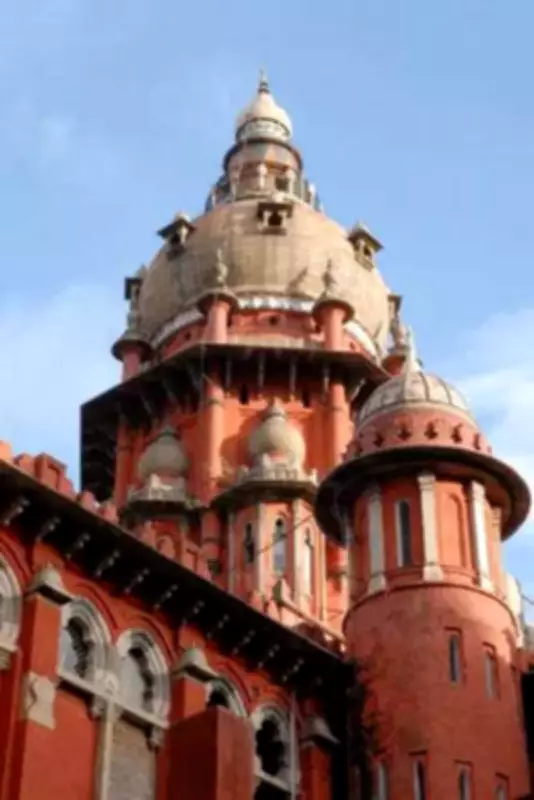
The Madras High Court has dismissed a public interest litigation (PIL) challenging the proposal to construct an electric crematorium in Kuchanur village, located in Theni district. The court's decision came after hearing arguments from both the petitioner and the government, ultimately ruling against the plea due to perceived ulterior motives and the benefits of modernization.
Details of the Petition and Court Proceedings
The PIL was filed by M Kathiresan, who argued against the construction of the electric crematorium on several grounds. His counsel submitted that the proposed site at the south-west corner of the village was inappropriate, as crematoriums are traditionally built at the north-east corner. Notably, an existing crematorium already occupies the north-east corner, and instead of modernizing it, authorities chose a new location.
Further objections included the proximity of the proposed site to the Saneeswara Bhagavan Temple and the village's custom of burying dead bodies, which the counsel claimed would be violated by the electric crematorium. However, the government pleader countered these arguments, asserting that the petition was filed to prevent villagers from accessing modern facilities.

Court's Observations and Ruling
A division bench comprising Justice G Jayachandran and Justice N Senthilkumar carefully reviewed the records and found no merit in the petition. The judges observed that the petition appeared to be filed with an ulterior motive, specifically to obstruct the government's efforts to establish a modernized crematorium aimed at reducing air pollution.
In their ruling, the court emphasized the importance of advancing public infrastructure to address environmental concerns. The judges stated that they were not inclined to entertain the PIL, leading to its dismissal. This decision underscores the court's support for progressive measures in public health and environmental sustainability.
Implications for the Village and Broader Context
The dismissal of this plea highlights ongoing tensions between traditional practices and modernization initiatives in rural India. Electric crematoriums are increasingly promoted as eco-friendly alternatives to traditional methods, helping to mitigate air pollution from burning wood and other materials.
For Kuchanur village, this ruling paves the way for the construction of the electric crematorium, potentially improving facilities for residents while aligning with broader environmental goals. It also serves as a reminder of the legal system's role in balancing cultural customs with technological advancements for public benefit.