Harish Rana's Lawyer Reflects on Supreme Court's Landmark 'Right to Die with Dignity' Verdict
In a poignant reflection on a landmark legal battle, Manish Jain, the counsel for Harish Rana's family, has spoken out about the Supreme Court's recent judgment that allowed the withdrawal of life support for Rana. Jain described the outcome with a profound statement: 'I lost even after winning the case,' highlighting the deep judicial and ethical dilemmas surrounding euthanasia pleas in India.
The Tragic Case of Harish Rana
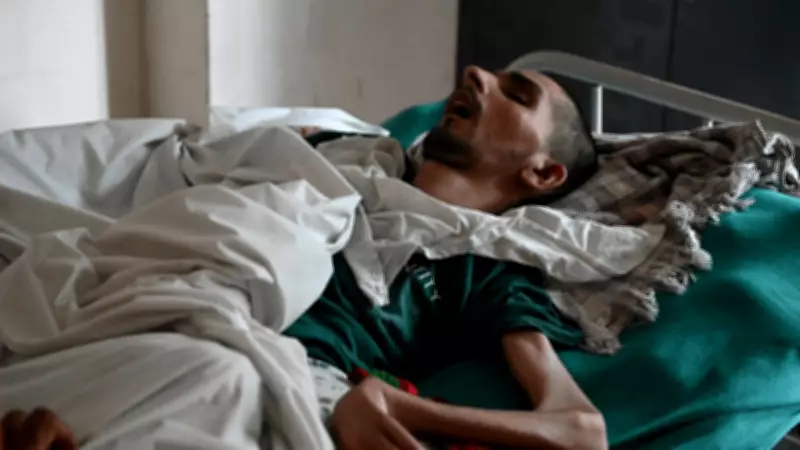
Harish Rana, a civil engineering student in Chandigarh, suffered a devastating fall in 2013 that left him in a vegetative state for 13 long years. His family embarked on an arduous legal journey, fighting for his right to die with dignity. After the Supreme Court's verdict, life support was withdrawn at AIIMS under the careful supervision of medical specialists, and Rana passed away after 10 days. This case has set a significant precedent in Indian jurisprudence.
Supreme Court's Groundbreaking Judgment
The Supreme Court's ruling is not just about Harish Rana; it establishes crucial guidelines for families facing similar heart-wrenching situations. The court accepted a widened definition of life support and emphasized the application of the 'right to die with dignity'. Importantly, it also called upon the Centre to enact legislation to address such cases more systematically in the future.

Judicial Dilemma and Ethical Complexities
Manish Jain's remark, 'I lost even after winning,' encapsulates the inherent conflict in euthanasia cases. While the legal victory provides a framework for others, it comes with the heavy weight of personal loss and moral ambiguity. Jain explained to TOI that the court grappled with balancing compassion for the patient's suffering against the sanctity of life, a dilemma that continues to challenge the judiciary.
This verdict marks a pivotal moment in India's legal landscape, offering hope and clarity for families while underscoring the need for comprehensive laws on end-of-life care. As the nation moves forward, the lessons from Harish Rana's case will undoubtedly shape future discussions on dignity, autonomy, and the right to a peaceful death.