Pakistan's Unexpected Emergence as Peace Mediator in Global Conflict
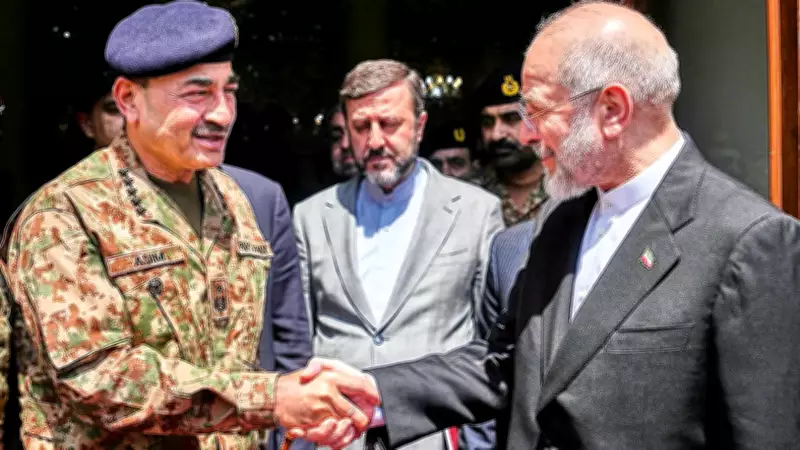
In a development that has taken international observers by surprise, the world's most critical peace negotiations are currently unfolding in an unexpected location: Islamabad, Pakistan. The talks, which center on the escalating conflict between the United States and Iran, carry immense implications for global stability and economic security.
The Bizarre Diplomatic Twist
What makes this situation particularly remarkable is Pakistan's unprecedented role as the neutral mediator between these two global powers. For decades, Pakistan has been viewed by many nations, particularly its neighbor India, as a state that has frequently sponsored cross-border terrorism rather than promoting peace. This reputation makes its current position as peace broker seem almost paradoxical.
The irony of Pakistan facilitating dialogue between Washington and Tehran has not been lost on diplomatic circles. Many analysts have described the scenario as something that might appear in political satire rather than real-world geopolitics. Yet this is precisely what is occurring, with Islamabad hosting sensitive negotiations that could determine the future of Middle Eastern stability and international relations.

Strategic Implications for India
For India, this development presents both challenges and opportunities. On one hand, Pakistan's elevated diplomatic status could potentially complicate India's strategic position in the region. On the other hand, experts suggest that India should maintain a measured, composed response rather than reacting emotionally to Pakistan's newfound diplomatic role.
Maintaining strategic composure is crucial for India at this juncture. While Pakistan's involvement in such high-level talks might seem incongruous given its history, India's response should be calculated and based on long-term national interests rather than immediate emotional reactions.
Global Reactions and Credibility Questions
The international community has responded with a mixture of skepticism and cautious optimism to Pakistan's mediation efforts. Some nations question whether a country with Pakistan's track record can genuinely facilitate meaningful peace between two major powers with conflicting interests.
Several key questions have emerged from this development:
- Can Pakistan truly act as an impartial mediator given its complex relationships with various global powers?
- What does this diplomatic role signify about shifting global power dynamics?
- How will this affect Pakistan's relationships with its immediate neighbors, particularly India?
- What are the potential outcomes for regional stability depending on the success or failure of these talks?
The US-Iran conflict itself represents one of the most significant geopolitical challenges of our time, with ramifications extending far beyond the Middle East. Global energy markets, international trade routes, and regional security architectures all hang in the balance, making the choice of mediator particularly consequential.
Looking Forward
As these unprecedented peace talks continue in Islamabad, the world watches closely to see whether Pakistan can successfully navigate the complex diplomatic waters between Washington and Tehran. The outcome could potentially reshape perceptions of Pakistan's role in international affairs and influence regional power dynamics for years to come.
For India, the situation calls for careful observation and strategic patience. While Pakistan's role as peacemaker may seem incongruous given historical context, India's response should prioritize national security interests and regional stability above all else.