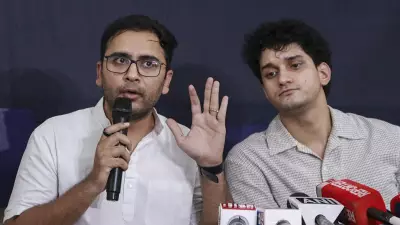
Former Prime Minister of Nepal and the chairman of the Communist Party of Nepal (Unified Marxist–Leninist), KP Sharma Oli, is confronting a significant and growing internal revolt. Senior party leaders are openly challenging his leadership, demanding sweeping changes in the party's structure and decision-making processes.
Senior Leaders Voice Strong Dissent
The discontent within the CPN-UML has moved from private grumblings to public defiance. Key figures like senior leader Madhav Kumar Nepal and former Prime Minister Jhalanath Khanal are at the forefront of this rebellion. They have presented a set of clear demands directly challenging Oli's authority.
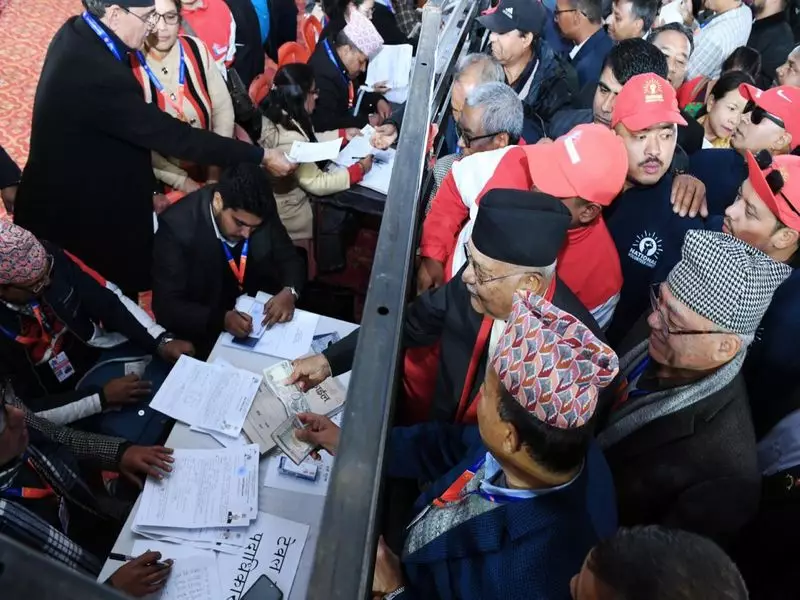
These demands include the immediate reconstitution of the party's powerful Standing Committee to reflect a broader spectrum of voices. The dissenting leaders are also pushing for the formation of a political document drafting committee, which would dilute Oli's control over the party's ideological direction. Furthermore, they insist on holding a national gathering of party representatives, a move seen as a direct challenge to the current leadership's legitimacy.

The Core of the Conflict
The roots of this crisis trace back to the party's performance in the last general elections, where it failed to secure a decisive victory. Internal critics blame Oli's leadership style and strategic decisions for this outcome. The dissenters accuse the chairman of running the party in an autocratic manner, sidelining veteran leaders and centralizing all power within a small, loyal circle.
This internal rift is not merely ideological but deeply personal and political. Leaders like Madhav Kumar Nepal have significant support bases, and their open rebellion threatens to split the party if their concerns are not addressed. The situation has created a severe leadership crisis for Oli, who must now navigate these turbulent waters while trying to maintain a united front against external political rivals.
Implications for Nepal's Political Landscape
The ongoing turmoil within the CPN-UML, a major political force in Nepal, has serious ramifications for the country's stability. A weakened or divided UML could alter the balance of power in the coalition government and impact legislative processes. The party's internal focus may also hinder its ability to effectively play the role of a strong opposition or a reliable coalition partner.
All eyes are now on the upcoming meetings of the party's Secretariat and Standing Committee, scheduled for the coming days. These gatherings will be a critical test of Oli's grip on the party. Observers note that if the chairman fails to accommodate the rebels' demands, the internal conflict could escalate, potentially leading to a formal split. Such an event would dramatically reshape Nepal's political chessboard, creating opportunities for other parties while destabilizing the current government framework.
The coming week is therefore pivotal for KP Sharma Oli's political future and for the continuity of the CPN-UML as a cohesive entity. The outcome will determine whether the party can reconcile its differences or if the growing dissent marks the beginning of a major realignment in Nepalese politics.