Karnataka High Court Directs Government to Address Amicus Curiae's Input on Crowd Control Legislation
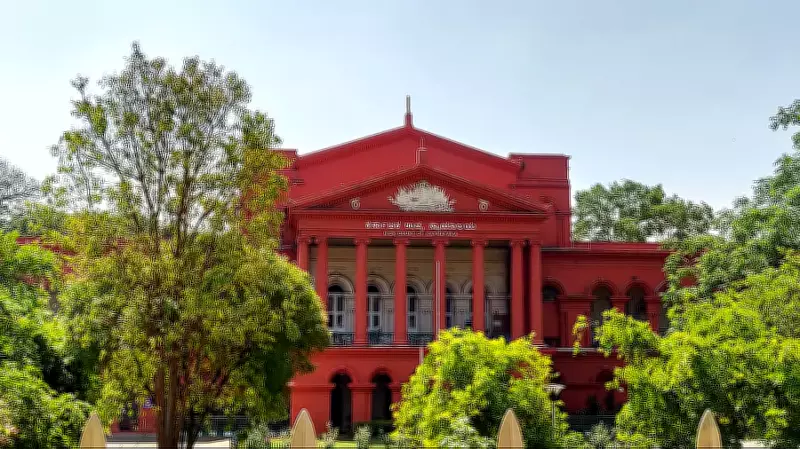
The Karnataka High Court has issued a directive requiring the state government to formally respond to the perspectives presented by an amicus curiae regarding a proposed crowd control bill. This legal development underscores the court's proactive approach in ensuring thorough scrutiny of legislative measures aimed at managing public gatherings and events.
Amicus Curiae's Submission Includes IPL Match Proposal
In a notable addition to the proceedings, the amicus curiae informed the court that the Royal Challengers Bengaluru (RCB) franchise has put forward a proposal to conduct six to seven matches during the upcoming Indian Premier League (IPL) tournaments. This revelation ties the broader discussion on crowd management directly to high-profile sporting events, highlighting the practical implications of the bill for major public spectacles.
The court's instruction emphasizes the importance of considering expert opinions in shaping effective public safety policies. By soliciting the government's stance, the judiciary aims to foster a balanced dialogue that addresses both regulatory needs and the operational realities of events like IPL matches, which attract massive audiences and require robust crowd control mechanisms.
Context and Implications for Future Events
This case emerges against a backdrop of increasing concerns over public safety at large gatherings, with the proposed bill seeking to establish clearer guidelines and enforcement protocols. The involvement of RCB's match proposal adds a specific dimension, as it illustrates how such legislation could impact the planning and execution of major sporting fixtures in Karnataka.
Legal experts suggest that the court's move could lead to more nuanced regulations that accommodate the dynamic nature of events like the IPL, while prioritizing citizen welfare. The government's forthcoming response will be closely watched, as it may set precedents for how crowd control measures are integrated with the thriving sports and entertainment sectors in the state.
As the proceedings advance, stakeholders from various fields, including law enforcement, event organizers, and the public, await further developments that could reshape the landscape of crowd management in Karnataka and beyond.