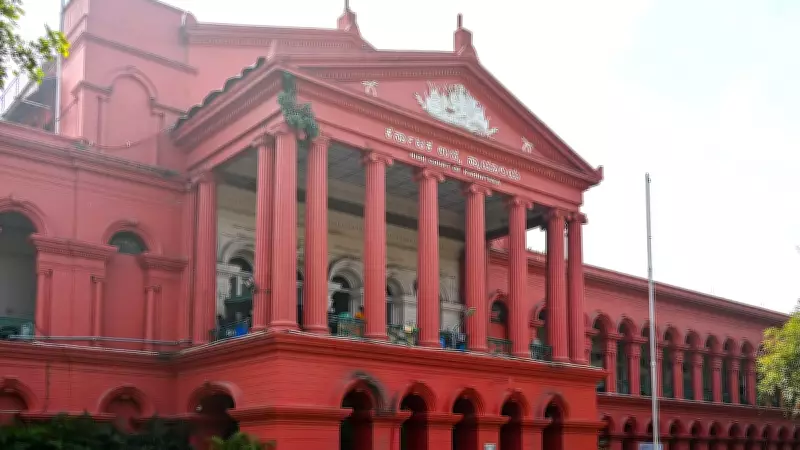
Karnataka High Court Issues Notices in School Nuisance Case, Sets July Hearing
The Karnataka High Court has taken significant action by issuing formal notices to the state government, the police department, and the GBA (likely referring to a local body or association) in response to a public interest litigation concerning school-related nuisance. This legal move underscores the court's proactive approach to addressing community grievances that impact educational environments and public order.
Bench Composition and Judicial Proceedings
A division bench of the Karnataka High Court, presided over by Chief Justice Vibhu Bakhru and Justice CM Poonacha, heard the plea and directed the issuance of notices. The bench has meticulously reviewed the petition, which highlights issues of nuisance affecting schools, potentially involving noise, traffic, or other disruptions that could hinder the learning atmosphere and safety of students.
After preliminary deliberations, the court has posted the matter for further consideration on July 2, 2026. This scheduling allows all parties involved—the state government, police authorities, and the GBA—adequate time to prepare their responses and present their stances on the allegations raised in the plea.

Implications for Bengaluru and Educational Institutions
The case, originating from Bengaluru, has drawn attention to broader concerns about maintaining conducive environments for education in urban areas. School nuisance can encompass a range of issues, from unauthorized commercial activities near campuses to persistent disturbances that compromise student well-being and academic focus.
By involving multiple stakeholders, including law enforcement and governmental bodies, the Karnataka High Court aims to foster a collaborative resolution. This judicial intervention could set a precedent for how similar complaints are handled across the state, emphasizing the importance of safeguarding educational spaces from external disruptions.
Next Steps and Legal ExpectationsAs the hearing date approaches, legal experts anticipate that the respondents will file detailed affidavits addressing the specific nuisances cited in the plea. The court's decision to issue notices indicates a serious consideration of the matter, with potential outcomes including directives for enhanced monitoring, regulatory measures, or community engagement initiatives to mitigate the reported issues.
This development highlights the judiciary's role in addressing public interest issues that intersect with education and urban governance, reinforcing the need for timely and effective responses to community concerns in Karnataka.