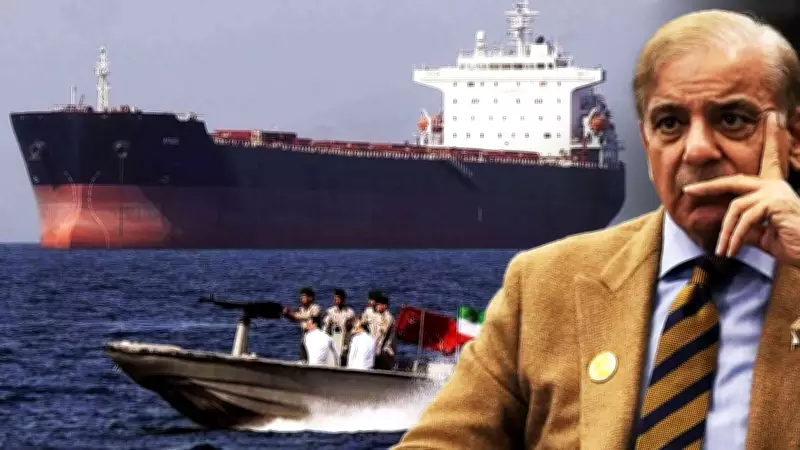
Iran Enforces Maritime Authority, Denies Passage to Pakistan-Bound Container Ship
In a significant display of maritime control, Iran has turned back a container vessel bound for Pakistan after it attempted to cross the strategic Strait of Hormuz without meeting legal requirements. The incident, which occurred recently, highlights Tehran's reinforced authority over one of the world's most crucial shipping corridors.
Details of the Incident and Iranian Justification
The vessel in question, identified as the container ship SELEN, was en route to Karachi, Pakistan, when Iranian authorities intervened. According to Alireza Tangsiri, a senior Iranian maritime official, the ship failed to obtain necessary clearance or coordinate with Iranian maritime authorities prior to its transit attempt.
Tangsiri emphasized that such coordination is essential for ensuring safe passage through the narrow and busy strait. He stated that compliant and non-hostile vessels are generally permitted to pass, but strict adherence to Iranian regulations is mandatory. This enforcement action comes amid growing regional tensions and Iran's ongoing efforts to assert its sovereignty over the waterway.

Broader Implications for Global Trade and Regional Tensions
The Strait of Hormuz is a vital chokepoint for global energy supplies, with approximately one-fifth of the world's oil passing through it daily. Iran's decision to block the SELEN has raised concerns about potential disruptions to international shipping routes, particularly for vessels linked to nations like the United States or Israel.
Tehran has explicitly warned that ships associated with these countries may face restrictions or heightened scrutiny, adding a layer of geopolitical complexity to maritime operations in the Gulf. This incident underscores the delicate balance between national security interests and the free flow of global commerce.
Analysis of Iran's Stricter Enforcement Policies
Iran's move to turn back the Pakistan-bound ship is part of a broader pattern of stricter enforcement of navigation rules in the Strait of Hormuz. Key aspects of this policy include:
- Mandatory Clearance: Vessels must obtain prior approval from Iranian authorities before transiting the strait.
- Enhanced Coordination: Ships are required to communicate and coordinate with Iranian maritime agencies to ensure safe passage.
- Selective Restrictions: Tehran maintains that it will impose limitations on vessels perceived as hostile or linked to adversarial nations.
This approach aims to bolster Iran's control over the strategic corridor while addressing security concerns. However, it also risks escalating tensions with neighboring countries and international stakeholders reliant on unimpeded maritime access.
Regional and International Reactions
The incident has drawn attention to the simmering tensions in the Gulf region, where maritime disputes and geopolitical rivalries frequently intersect. Pakistan, as the intended destination of the blocked ship, may need to reassess its shipping protocols and diplomatic engagements with Iran to avoid future disruptions.
Globally, the event serves as a reminder of the fragility of key trade routes and the potential for regional powers to influence international supply chains. Stakeholders in the energy and shipping industries are likely monitoring the situation closely for any further developments that could impact transit through the Strait of Hormuz.
In summary, Iran's denial of passage to the Pakistan-bound container vessel SELEN underscores its assertive maritime policies and the ongoing tensions in the Gulf. As Tehran tightens enforcement in the Strait of Hormuz, the implications for global trade and regional stability remain a critical concern for the international community.