Iran's Supreme Leader Issues Stark Warning Over Strait of Hormuz Closure
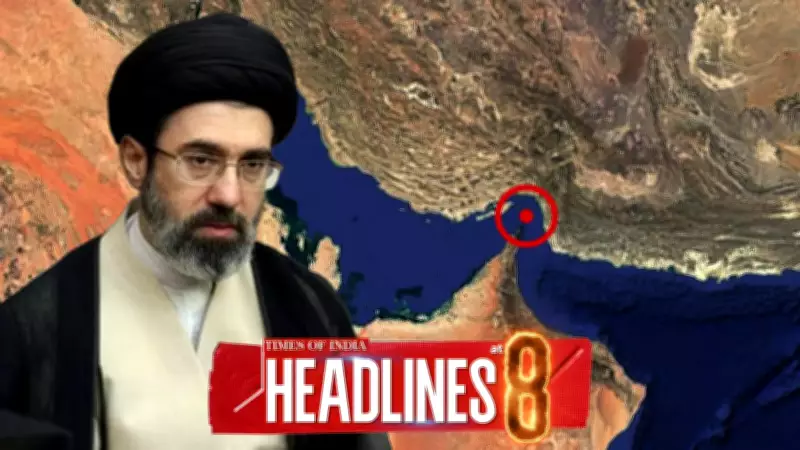
In a dramatic escalation of regional tensions, Iran's Supreme Leader Mojtaba Khamenei has declared that the Strait of Hormuz must remain closed as strategic leverage against the United States. This statement, his first since assuming power, marks a significant hardening of Iran's position in the ongoing conflict.
Threats and Conditions for Ending the War
Khamenei issued direct threats to U.S. military bases across the Middle East, demanding their immediate closure or facing potential strikes. He vowed revenge for Iranian casualties and promised that Iran would extract compensation from its enemies. Simultaneously, Tehran laid out three non-negotiable conditions to end hostilities with the United States and Israel:
- Recognition of Iran's "legitimate rights" in the region
- Payment of comprehensive war reparations
- Iron-clad guarantees against future attacks on Iranian interests
Global Energy Market Faces Potential Shock
Iranian leaders warned that the global energy market could experience a massive shock if the conflict continues. They cautioned that crude oil prices could surge to $200 per barrel if shipping through the Persian Gulf remains disrupted. This warning comes as the world's most vital energy route transforms into a dangerous flashpoint, with several U.S.-linked vessels already coming under attack in the Gulf waters.
India's Urgent Diplomatic Maneuvers
Amid the escalating crisis, Indian External Affairs Minister S. Jaishankar conducted three rounds of urgent talks with Iranian officials to secure India's crucial oil supplies passing through the Strait of Hormuz. While one oil tanker successfully reached Mumbai after navigating the tense corridor, the situation remains precarious for global energy security.
Uncertain U.S. Response
The international community now watches for Washington's response, with speculation mounting about potential U.S. actions following Iran's provocative statements. The situation represents one of the most serious challenges to global energy security and regional stability in recent years, with implications extending far beyond the Middle East.