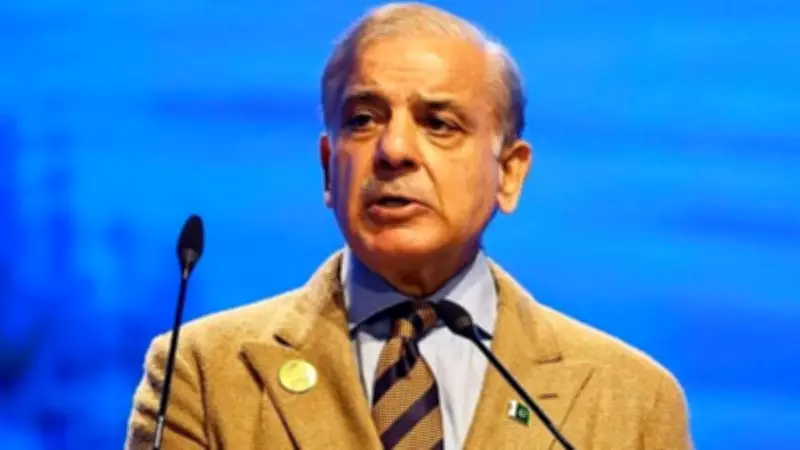
Pakistan's Leadership Stands Firmly with Saudi Arabia in Gulf Affairs
In a significant diplomatic move, Prime Minister Shehbaz Sharif of Pakistan has publicly declared his nation's unwavering support for Saudi Arabia amidst the evolving circumstances in the Gulf region. This expression of solidarity underscores the deep-rooted strategic partnership between the two countries, which has historically been characterized by mutual cooperation and shared interests in regional stability.
High-Level Meeting Reinforces Bilateral Ties
The announcement came during a high-profile meeting where key figures from Pakistan's political and military leadership were in attendance. According to official statements, the gathering included Deputy Prime Minister and Foreign Minister Ishaq Dar, alongside Chief of Army Staff and Chief of Defence Forces Field Marshal Syed Asim Munir. Their presence highlights the comprehensive nature of Pakistan's commitment, involving both diplomatic and security dimensions.
This assembly of top officials signals a coordinated approach to foreign policy, ensuring that Pakistan's stance is backed by a unified front across government and military sectors. The involvement of Field Marshal Syed Asim Munir, in particular, emphasizes the strategic importance Pakistan places on its relationship with Saudi Arabia, given the potential security implications in the Gulf.

Context of Gulf Regional Dynamics
The Gulf region has been experiencing a period of heightened geopolitical activity, with various factors contributing to a complex landscape. Pakistan's declaration of solidarity comes at a critical juncture, as nations in the area navigate challenges related to security, economic interests, and diplomatic relations. By aligning with Saudi Arabia, Pakistan aims to reinforce its role as a reliable ally in a volatile part of the world.
This move is expected to have broader implications for regional alliances and could influence the balance of power in the Middle East. It reflects Pakistan's ongoing efforts to maintain strong ties with Gulf Cooperation Council (GCC) countries, which are vital for economic and strategic reasons, including remittances and energy cooperation.
Implications for Pakistan-Saudi Relations
The expression of full solidarity by Prime Minister Shehbaz Sharif is not merely a symbolic gesture but a reaffirmation of the longstanding bond between Pakistan and Saudi Arabia. Over the decades, the two nations have collaborated on numerous fronts, from defense agreements to economic partnerships. This latest development is likely to further cement their alliance, potentially leading to enhanced cooperation in areas such as trade, investment, and counter-terrorism efforts.
As the situation in the Gulf continues to unfold, Pakistan's proactive stance may encourage other regional players to clarify their positions, contributing to a more defined geopolitical framework. The involvement of senior officials like Ishaq Dar and Syed Asim Munir ensures that Pakistan's support is backed by actionable strategies, rather than just rhetoric.
In summary, Pakistan's leadership has made a clear statement of allegiance to Saudi Arabia, with top political and military figures uniting to underscore this commitment. This action highlights the importance of the Gulf region in Pakistan's foreign policy and sets the stage for continued collaboration between the two nations in addressing regional challenges.