
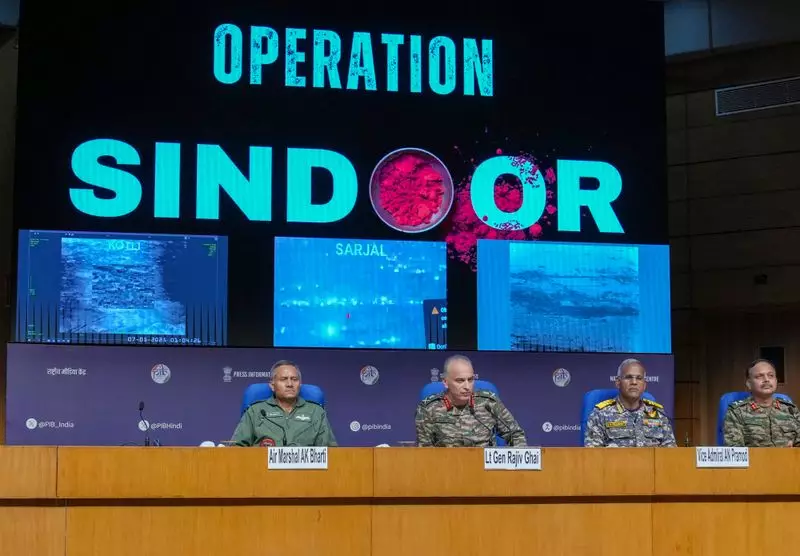
India's security apparatus remains in a state of perpetual vigilance, facing an unrelenting threat of terrorism that continues to test the nation's resolve and defensive capabilities. The specter of violence, often orchestrated from beyond its borders, ensures that the country can never afford to lower its guard. This enduring challenge demands a multifaceted strategy combining robust military posture, intelligent diplomacy, and unwavering internal security measures.
The Unending Shadow of Cross-Border Terrorism
The primary source of India's counter-terrorism concerns stems from its western frontier. Pakistan-based terrorist groups, such as Lashkar-e-Taiba and Jaish-e-Mohammed, continue to operate with the alleged support of elements within the Pakistani establishment. Despite global pressure and India's diplomatic efforts, these entities find ways to infiltrate operatives and material into Indian territory, particularly targeting the sensitive region of Jammu and Kashmir. The strategy often involves radicalizing local youth and executing high-profile attacks aimed at destabilizing the region and instilling fear among the populace.
Recent intelligence inputs and intercepted communications frequently point to active plots, keeping security forces on their toes. The modus operandi has evolved from large-scale assaults like the 2008 Mumbai attacks to more frequent, smaller-scale operations aimed at security personnel and civilians. This constant drip of violence is designed to create a persistent atmosphere of tension and undermine normalcy.
Security Response and Adaptation
In response, India has significantly enhanced its counter-terrorism infrastructure. The security forces in Jammu and Kashmir have adopted a proactive approach, based on precise intelligence, to neutralize threats before they materialize. This has led to a high number of successful operations against terrorists in recent years. The government has also focused on strengthening international cooperation, sharing evidence of cross-border terrorism with global forums, and seeking to isolate nations that provide safe havens to terror groups.
Furthermore, efforts to counter radicalization and win the trust of local communities in conflict-prone areas have been intensified. Development projects and political outreach are being pursued alongside security operations to address the socio-economic roots of discontent, which terrorists often exploit for recruitment. The abrogation of Article 370 in 2019 was a monumental political step aimed at fully integrating Jammu and Kashmir and dismantling structures believed to foster separatism.
The Broader Geopolitical Canvas
The terror threat to India is not confined to a single theater. The country also faces concerns from ideologies inspired by global jihadist networks and from insurgent groups in its northeastern states. However, the most persistent and state-actor-linked threat remains the one emanating from across the Line of Control (LoC) and the International Border. This situation is compounded by complex geopolitical realities, including the situation in Afghanistan and the strategic interests of major global powers in the region.
The challenge for Indian diplomacy is to keep the focus on terrorism as a core issue in bilateral and multilateral engagements. While military readiness is paramount, a long-term solution necessitates convincing the international community to hold sponsors of terrorism accountable. India's stance is that terrorism is a global menace and cannot be compartmentalized into "good" and "bad" categories based on short-term political convenience.
A Future Demanding Constant Vigilance
The conclusion is stark: terrorism continues to keep India on its toes. There is no room for complacency. The nation's security forces have demonstrated remarkable courage and competence in thwarting numerous attacks, but the threat persists. The evolving nature of terror tactics—using drones for smuggling, cyber-radicalization, and exploiting digital currencies—requires continuous adaptation and technological upgradation of India's defensive capabilities.
Ultimately, safeguarding the nation is an ongoing battle that unfolds on multiple fronts: at the borders, in the hinterlands, in the digital realm, and in the corridors of global diplomacy. The resilience of the Indian state and its people remains the strongest bulwark against those who seek to undermine its peace and integrity through fear and violence. The path forward is one of sustained alertness, strategic patience, and an unwavering commitment to neutralizing threats while fostering inclusive growth that leaves no space for extremist ideologies to take root.