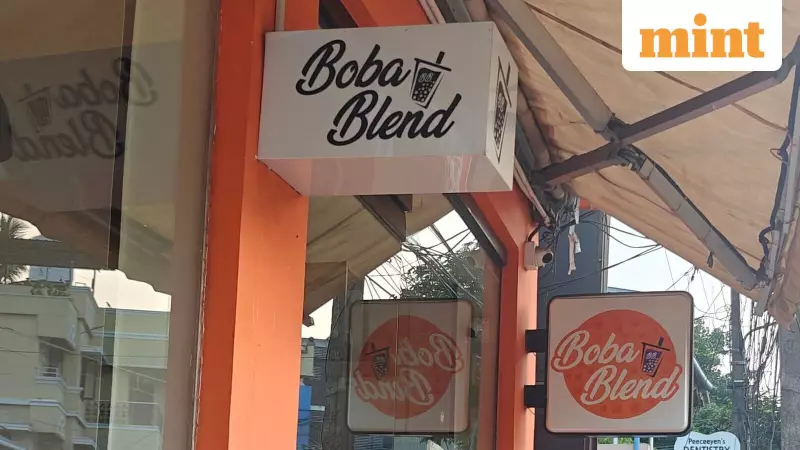
A significant shift is brewing in India, the world's historic heartland of tea consumption. The country's youngest consumers, particularly Gen Z, are increasingly turning away from traditional hot chai and embracing trendy, cold beverages from Southeast Asia, most notably boba tea and matcha. This change in taste is compelling even century-old Indian tea companies to reinvent their offerings to stay relevant.
Legacy Brands Adapt to a New Generation
The powerful pull of this new trend is evident in the strategic pivot of Wagh Bakri Tea, a company with a 130-year legacy. Recognizing the shifting preferences, the Gujarat-based firm has introduced iced and bubble teas at its national network of Wagh Bakri Tea Lounges. Sanjay Singhal, the CEO, explained the necessity of this move, stating that the younger audience shows less excitement for traditional hot teas. The introduction of variants like bubble tea is aimed specifically at the younger generation to create excitement and draw them into their outlets.
This strategy is already yielding results beyond just revenue. Singhal noted that they are now witnessing a significant influx of Gen Z and younger customers into their tea lounges—a demographic segment that previously showed little interest in such spaces. This underscores a fundamental change in who is consuming tea and where.

The Data Behind the Cold Beverage Surge
The movement towards chilled drinks is backed by strong data. According to the Kearney–Swiggy How India Eats 2025 report, cold beverages are growing at a remarkable rate, 60% faster than hot drinks. Within this category, Asian formats like matcha and boba are experiencing outsized traction. Online search trends powerfully illustrate this surge: interest in matcha has jumped 11-fold over the past five years, while searches for boba tea have grown fourfold.
This demand isn't confined to the summer months. Industry leaders observe that cold beverages work better as food accompaniments when people socialize outdoors, allowing them to sip leisurely for longer periods. This has led to a scenario where, even in winter, cold drinks can constitute around 40% of beverage sales in cafes, with cities like Mumbai seeing over half of year-round sales come from cold beverages.
From Niche Trend to Mainstream Fixture
What began as a niche trend popularized by Gen Z early adopters has rapidly gained acceptance across broader age groups. Rajat Tuli, Partner and Food & Beverage Lead at Kearney, confirms that the presence of boba and matcha on menus across Quick Service Restaurants (QSRs), cafes, and standalone outlets suggests these are no longer passing fads. They are likely to become a permanent fixture in India's food and beverage landscape for the next few years.
This mainstreaming is fueling the growth of dedicated homegrown chains. Startups like Boba Bhai, launched in 2023, exemplify this boom. Based in Bengaluru, the chain has successfully raised institutional capital, including a ₹30 crore Series A round led by 8i Ventures. With plans to expand to over 100 outlets across India, including tier-2 and tier-3 cities, Boba Bhai aims to make bubble tea a mainstream choice for youth nationwide.
For new-age café chains, these beverages represent a fundamental shift in habits. Abhijit Anand, founder of abCoffee, notes that while boba remains popular, matcha is emerging as a more durable habit, acting as a true extension of the coffee line rather than just a seasonal alternative. At abCoffee, cold beverages have been a key lever for attracting younger consumers, with Gen Z making up about 54% of its customer base.
The rise of boba and matcha in India is more than just a change in flavor; it's a cultural and commercial transformation. Driven by a generation eager to experiment, it is forcing legacy players to innovate, creating new business opportunities, and permanently altering the menu of choices available to the Indian consumer.