Prominent Indian Muslim leaders have issued strong condemnations following the horrific mob lynching of a Hindu man in Bangladesh. The incident, which occurred recently, has been described as a 'murder of humanity' that goes against the core principles of Islam.
Leaders Decry the Act as Un-Islamic
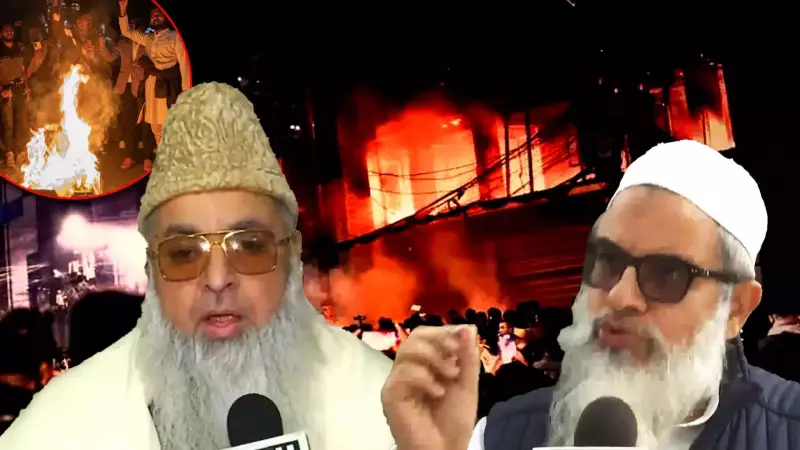
Dr. Imam Umer Ahmed Ilyasi, the Chief Imam of the All India Imam Organisation, did not mince words in his reaction. He stated that the killing of Dipu Chandra Das and the subsequent mistreatment of his body has brought shame upon humanity. He emphasized that such actions are completely wrong and have no place in Islamic teachings.
Dr. Ilyasi also pointedly questioned the silence of international human rights organizations in the wake of this tragedy. Furthermore, he made a direct appeal to Indian Prime Minister Narendra Modi and Home Minister Amit Shah to intervene in the matter.
A Call Against Rising Extremism
Echoing these sentiments, Maulana Mahmood Madani, the president of Jamiat Ulama-i-Hind, also issued a powerful condemnation. He stressed a fundamental legal and moral principle: no individual has the right to take another person's life outside the established judicial process.
Maulana Madani clarified that Islam strictly prohibits both killing and humiliating any person. He expressed deep concern over the alarming rise of extremism across the Indian subcontinent, labeling it a serious issue that requires immediate and collective attention from all stakeholders.
Broader Implications and Reactions
The lynching, which took place on December 22, 2025, has sparked a wider debate about communal harmony, mob justice, and the role of religious leadership in condemning violence. The forceful statements from these influential Indian Muslim figures highlight a united stand against vigilantism and a defense of the rule of law.
Their intervention is seen as a significant step in reinforcing the message that terrorism and brutality have no religion. The calls for political intervention underscore the cross-border concern for minority safety and the need for diplomatic channels to address such sensitive incidents.