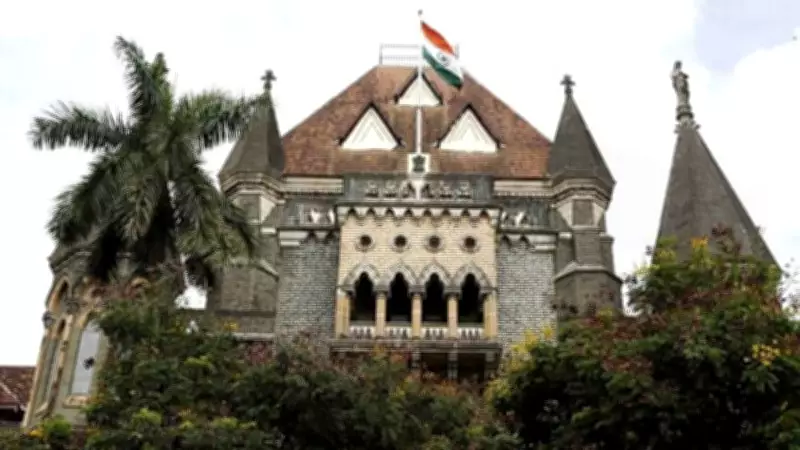
Bombay High Court Seeks Comprehensive Blueprint to Expedite Filling of Over 3,000 Judicial Posts
The Bombay High Court has taken a proactive stance to address the critical shortage of judicial officers in Maharashtra, directing authorities to prepare an expeditious blueprint for filling over 3,000 sanctioned and vacant posts across the state's district courts. This significant development comes as the judiciary grapples with mounting caseloads and the pressing need for enhanced court infrastructure.
Court Directs Registry to Outline Recruitment Strategy for 2026
In a recent hearing, a bench comprising Justices Bharati H Dangre and Sarang V Kotwal specifically instructed the High Court registry and administration to present a detailed action plan outlining the steps to be undertaken in 2026 to fill these crucial judicial positions. The court has demanded comprehensive responses regarding the total number of sanctioned posts across various cadres, the exact vacancies as of January 1, 2026, and the specific phases in which the recruitment process will be initiated.
The bench was hearing a Public Interest Litigation (PIL) filed by Vaijnath Pandurang Vaze, which advocates for a speedy recruitment process, increased judicial strength, and adequate court infrastructure. Additionally, the Maharashtra State Judges Association has filed a contempt plea alleging non-compliance with a 2018 verdict that mandated expeditious steps for appointing judges at the district level.
Background: Previous Government Actions and Recommendations
In 2023, the Maharashtra government's law and judiciary department informed the High Court that it had created 348 new posts of judicial officers across the state, bringing the sanctioned strength to nearly 2,360. However, this number falls significantly short of addressing the current needs.
The court was further informed that the National Court Management Systems Committee (NCMSC) had recommended the creation of an additional 3,211 judicial posts across Maharashtra to effectively manage the increased caseload. The vacant positions encompass a wide range of judicial roles, including:
- District Judges
- Civil Judges (Junior and Senior Division)
- Chief and Additional Metropolitan Magistrates
- Chief and other Judges of Small Causes Courts
Recent Legal Amendments and Judicial Caution
During the proceedings, Additional Government Pleader P P Kakade presented a December 1 notification issued by the state Law and Judiciary department, which amended the Maharashtra Judicial Service Rules, 2008. Advocate S R Nargolkar, representing the High Court registry, asserted that these amendments have cleared the path for initiating recruitment and promotion processes.
However, the High Court bench issued a word of caution, emphasizing that while the posts have been created, the appointment process must strictly adhere to the prescribed rules, which is inherently time-consuming. The court noted, "We are cautious that the appointments/promotions are to be effected based on judging the suitability of the candidate, and this process definitely consumes time."
Court's Emphasis on Expediency Without Compromising Standards
The bench underscored the importance of expediency while maintaining rigorous standards, stating, "As we are cautious that the appointment process for Judicial Officers cannot be made time-bound, we expect expediency on part of the High Court as well as the Law and Judiciary Department." The court further emphasized that achieving the goal of speedy justice necessitates an efficient appointment procedure, to be implemented effectively by both the High Court and the Maharashtra Public Service Commission (MPSC), which serves as the recruiting agency for the feeder cadre.
The High Court has directed the authorities to submit affidavits in response and has scheduled the next hearing for February 27. This ongoing judicial oversight aims to ensure that the recruitment process moves forward with both urgency and adherence to legal protocols, ultimately strengthening Maharashtra's judicial system to better serve its citizens.