Punjab and Haryana High Court Rejects Pre-Arrest Bail in US Embassy Visa Fraud Case
The Punjab and Haryana High Court has delivered a significant ruling by denying anticipatory bail to a visa agent implicated in a fraud case involving the US Embassy portal. Justice Surya Partap Singh, presiding over the matter, underscored that custodial interrogation is essential for the investigation, deeming anticipatory bail an extraordinary remedy rather than a routine entitlement.
Core Allegations and Evidence Presented
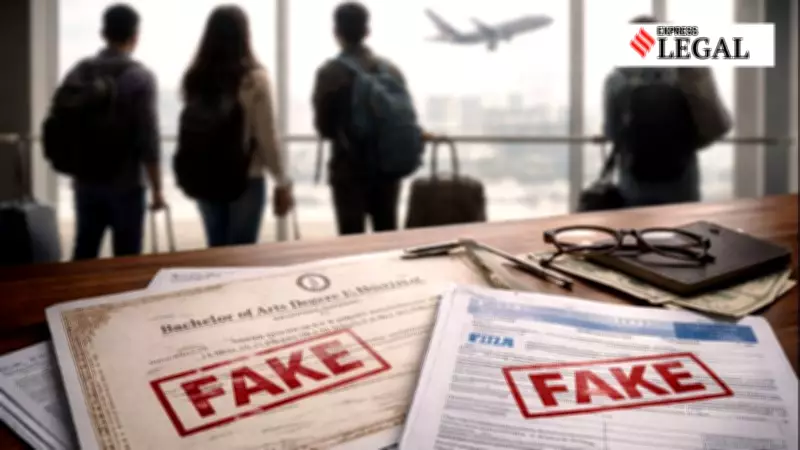
The case originated from a complaint filed by the overseas criminal investigator of the US Embassy, alleging that visa agents, including the petitioner, were submitting fraudulent information on the embassy's portal. Specifically, the prosecution claimed that the agent procured fake educational certificates for a co-accused, Lovepreet Singh, who applied for a non-immigrant visa.
Key evidence includes:

- Lovepreet Singh's admission that he submitted a forged Bachelor of Arts degree from Chhatrapati Shahu Ji Maharaj University.
- Allegations that the petitioner was instrumental in providing these counterfeit documents.
Court's Rationale for Denying Bail
In its detailed order, the court highlighted several critical points:
- Custodial Interrogation Necessity: The court asserted that denying this would hinder the investigation and impede the collection of crucial evidence, potentially allowing the accused to evade justice.
- Extraordinary Nature of Anticipatory Bail: Justice Singh emphasized that this remedy is not a right but an exception, reserved for cases where routine bail parameters apply, which was not deemed suitable here.
- Impact on Broader Issues: The fraud's implications extend beyond the individual case, affecting the image of Indians at the US Embassy and all visa aspirants, as argued by the state's counsel.
Arguments from Both Sides
Deputy Attorney General IPS Sabharwal, representing the state, contended that the allegations were specific and categorical, warranting the petitioner's custodial interrogation to uncover the full extent of the illegal activities. He stressed that the fraud's magnitude, involving a foreign embassy, necessitates stringent measures to trace all elements and sources involved.
Conversely, advocate Deepak Goyal, representing the petitioner, argued for innocence, claiming no nexus to the crime and alleging false implication based on the co-accused's statement, which he deemed unreliable. However, the court found these arguments insufficient to grant bail.
Broader Implications and Legal Context
This ruling reinforces the judiciary's stance on serious fraud cases, particularly those involving international entities like the US Embassy. It sends a clear message about the consequences of document forgery in visa applications, potentially deterring similar fraudulent activities. The case also highlights the collaborative efforts between Indian authorities and foreign embassies in combating immigration fraud, which can have far-reaching effects on bilateral relations and individual aspirations.
As the investigation proceeds, this decision may set a precedent for handling similar cases, emphasizing the balance between individual rights and the need for thorough law enforcement in complex fraud scenarios.