Allahabad HC Contempt Notice Fails to Restore Namaz in Bareilly Village
In a significant development, the Allahabad High Court has issued a contempt notice to Bareilly's district magistrate and senior superintendent of police over allegations of stopping prayers inside a private house in Mohammadganj. However, despite this legal intervention, namaz is not being offered in any home in the village, forcing Muslim residents to walk nearly 2 kilometers to pray elsewhere.
Court Order and Ground Reality
The court restrained the administration from taking coercive action until the next hearing scheduled for March 11. Residents reported that visible police harassment ceased after the order, but prayers inside private houses have not resumed. Police personnel remain deployed in the hamlet, which has around 1,000 residents.
We did get relief because the police are not harassing us now, said petitioner and farmer Tarik Khan. But even after the contempt notice, the fact is that prayers haven't commenced. He explained that after the court's intervention, prayers briefly resumed but were met with protests, leading police to ask them to stop again. We are back to square one. Ramzan has started and we have to offer prayers several times a day...but we have no option, he added.
Police Response and Community Tensions
Additional SP Anshika Verma stated, There has been no coercion, nor will there be any in the future. Unfortunately, some residents are treating a notice as if it were a final verdict. She emphasized that the matter is sub judice, with the next hearing on March 11, and maintaining law and order is the top priority.
Verma elaborated that police acted on information about a house allegedly being converted into a place of worship, which requires administrative permission. After the HC's contempt notice on February 12, reports of resumed prayers led to tensions, with another section of the community staging protests. Police intervened to prevent escalation and facilitated dialogue between both sides to maintain the status quo.
An elderly Muslim man, who requested anonymity, said, Of course, the HC order which said no coercive action should take place till the next hearing has made us happy, but the truth is that on the ground nothing much has changed. He pointed out that no prayers are being offered in the village.
Background and Ongoing Dispute
The dispute traces back to mid-December when bricks were brought to land owned by Tarik Khan for constructing a personal cattleshed. Rumours spread that a mosque was being built, leading to tension and police intervention on December 24 after men claiming to be Bajrang Dal members arrived. On January 1, Tarik submitted an affidavit stating the structure would not be used for religious activity.
Residents were inspired to approach the court after an Allahabad HC order on January 27 in a separate case concerning the Christian community, which stated prayers could be offered within private property. They argued their situation was similar, prompting the HC to restrain the administration until March 11.
Kamal Kishore, a Hindu resident, expressed concerns: Police are not taking strict action against the violators. Which law permits the conversion of a house into a mosque or a madrasa? He demanded demolition of the house where prayers were offered, alleging police inaction.
Impact on Residents
Tarik noted that some Hindu neighbours put up 'house for sale' posters after prayers briefly resumed, adding pressure. We want to live in peace more than anything else, he said.
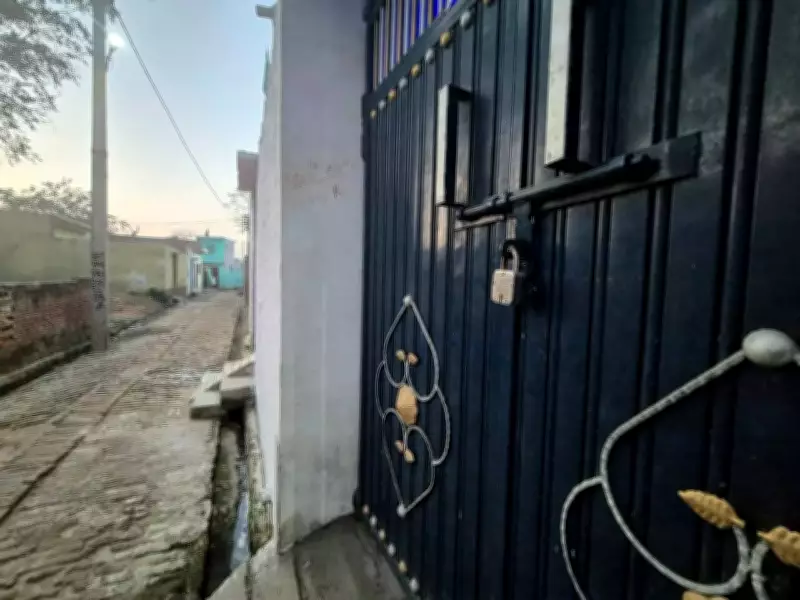
Several houses linked to 12 men detained on January 16 for offering prayers at a vacant house remain locked. A woman, who wished to remain unnamed, said her relatives were among those detained despite having permission from the widow, Reshma Khan. They were released after brief detention but had to visit the police station daily for 10 days, and their names are now in police records. If anything happens in the village, they fear they will be picked up, she added, noting some had left for work in other states.